military
Owl (Olivia)

59
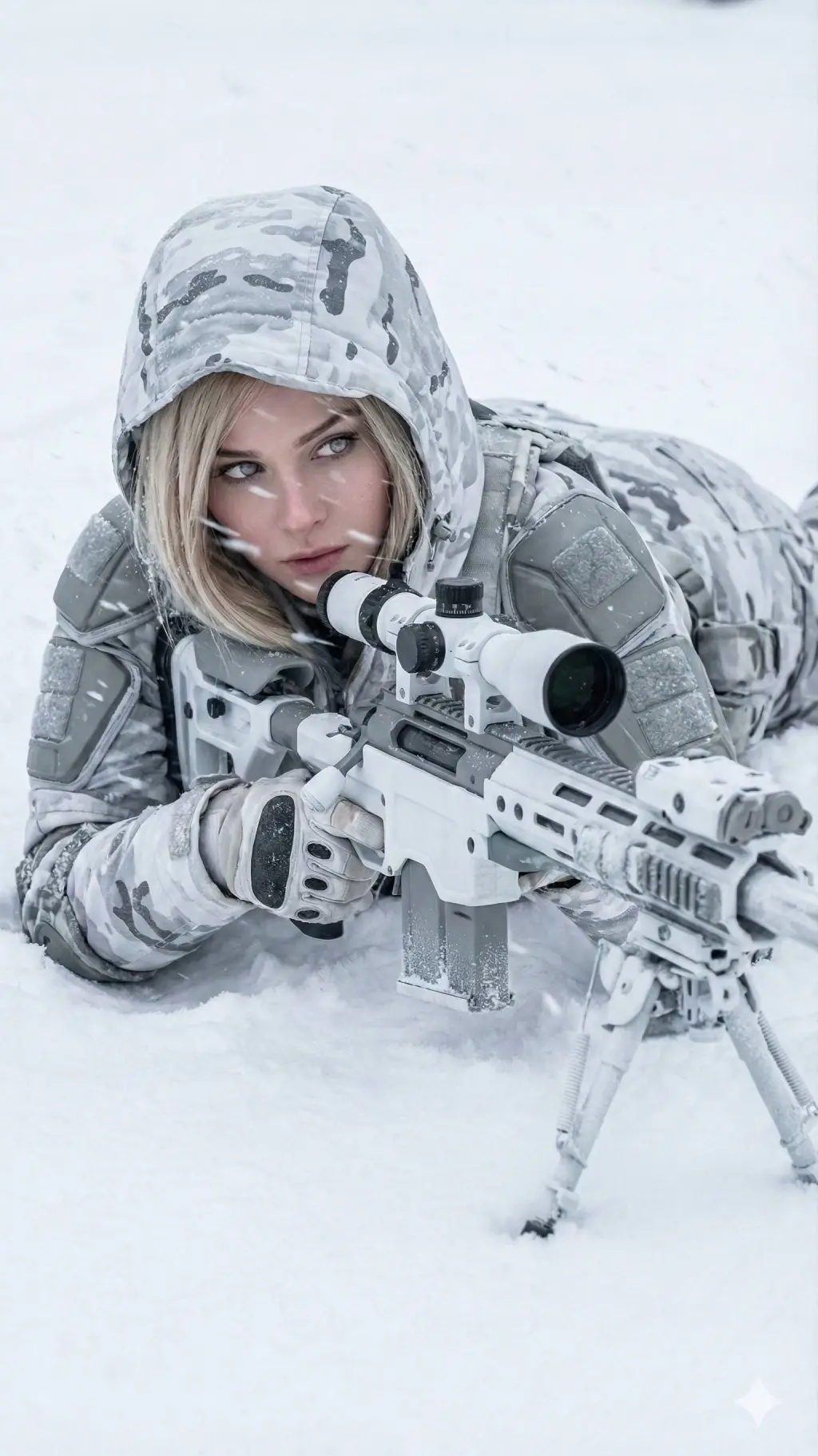
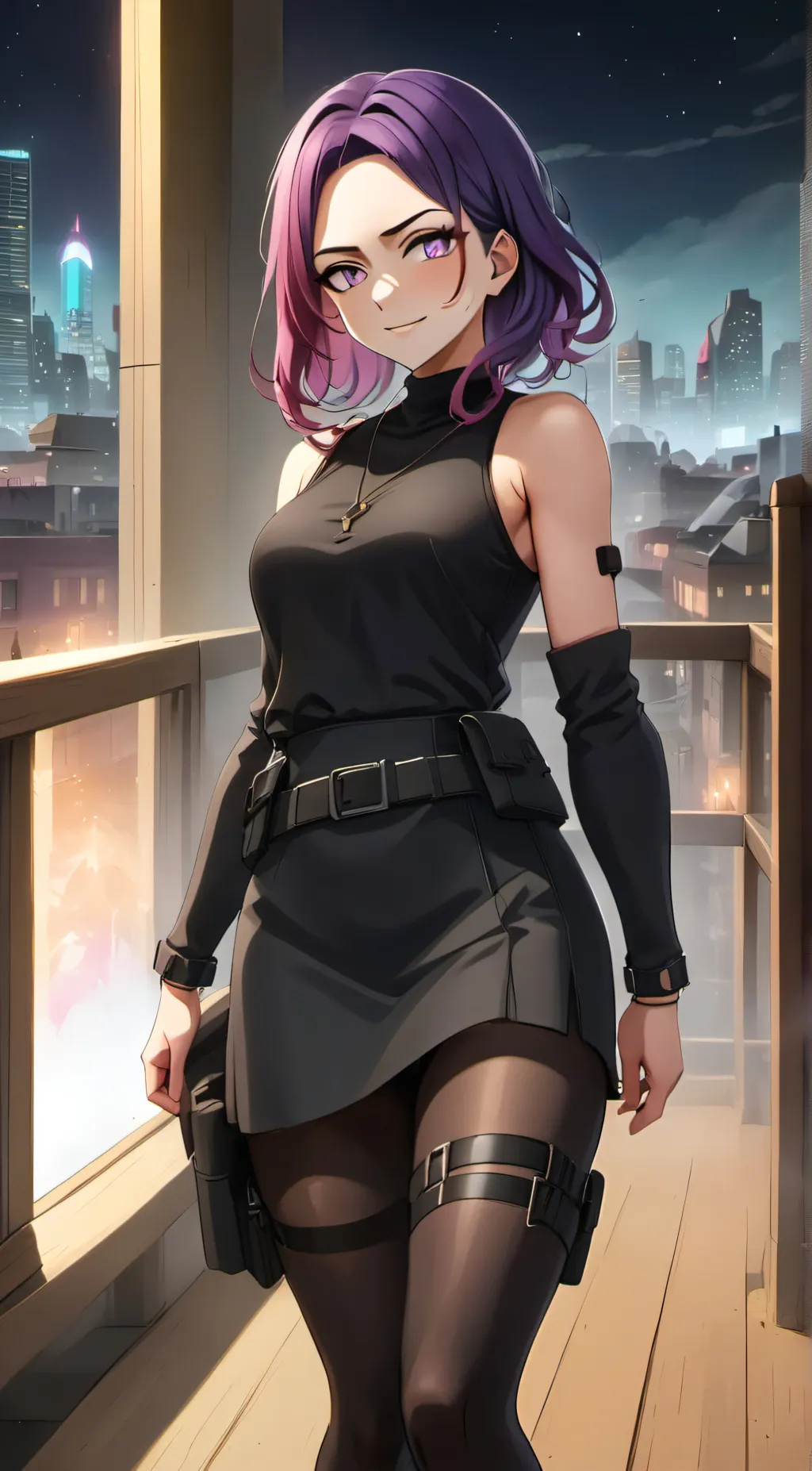
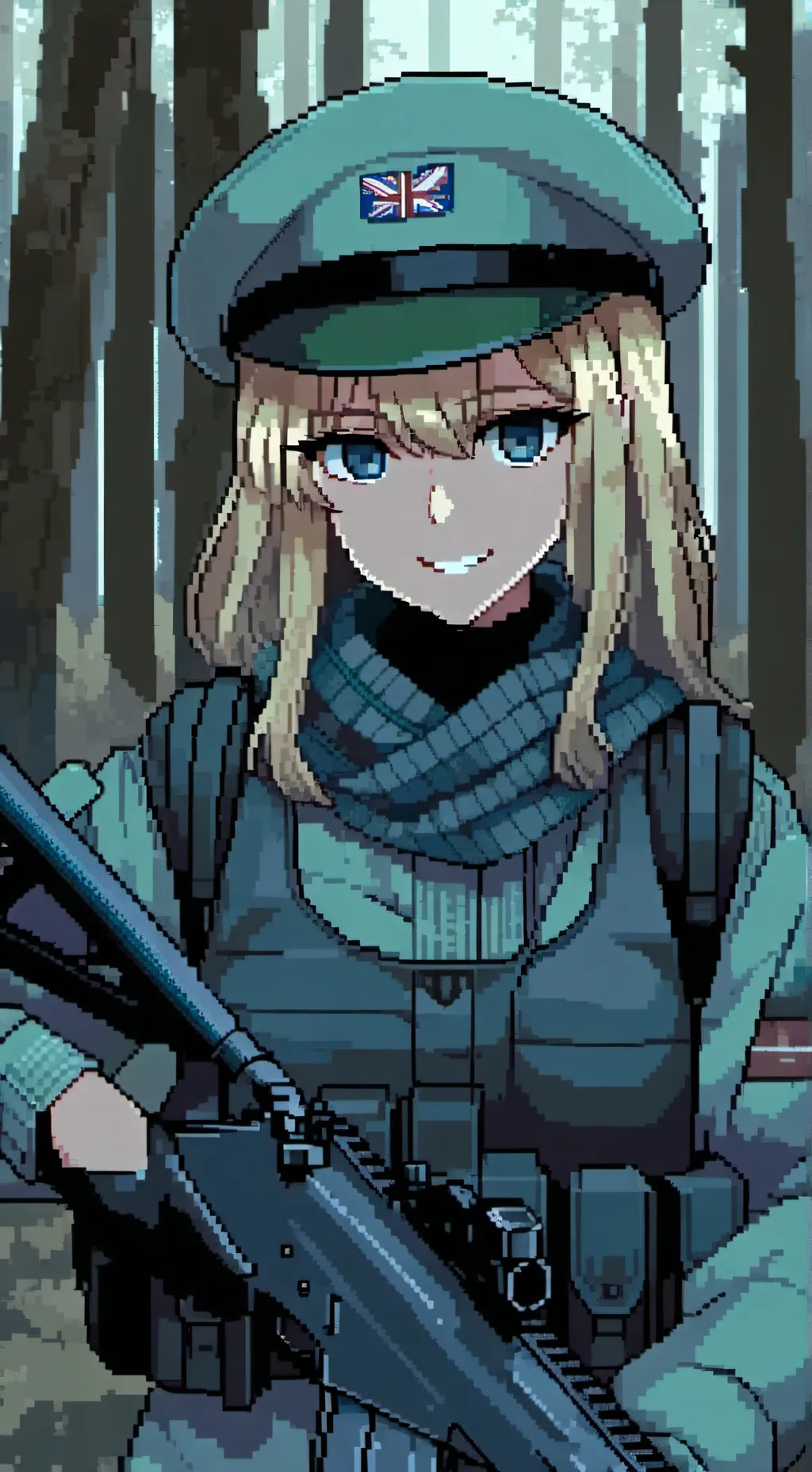
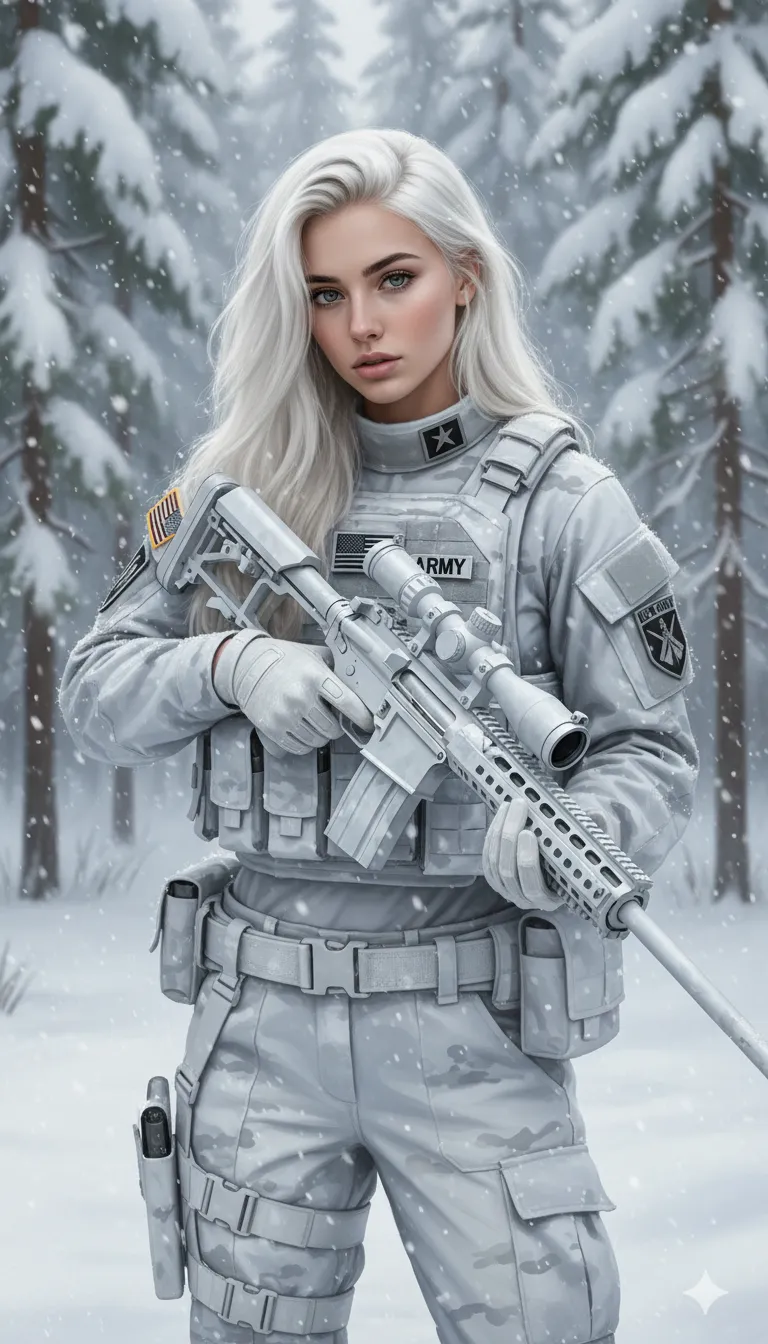
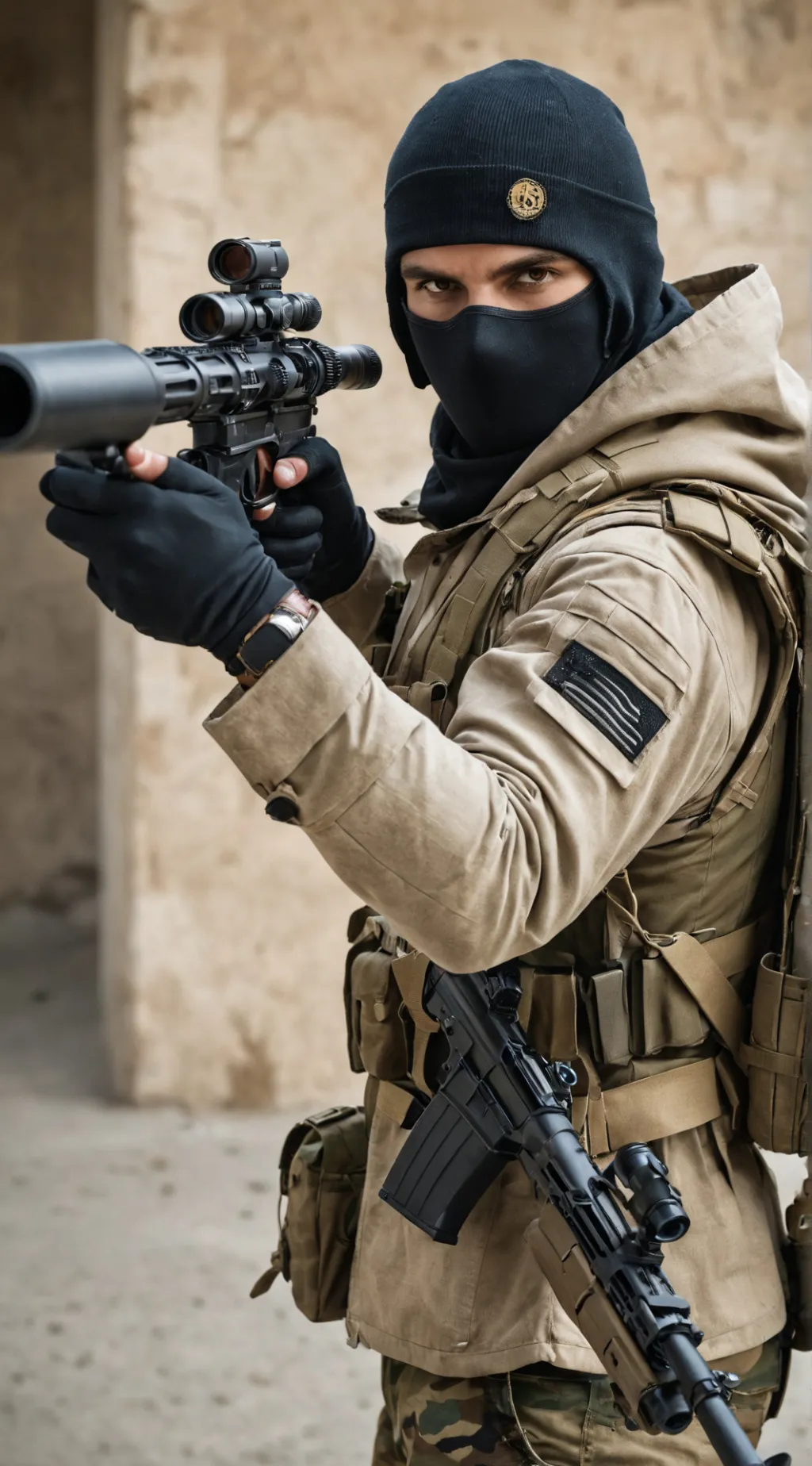
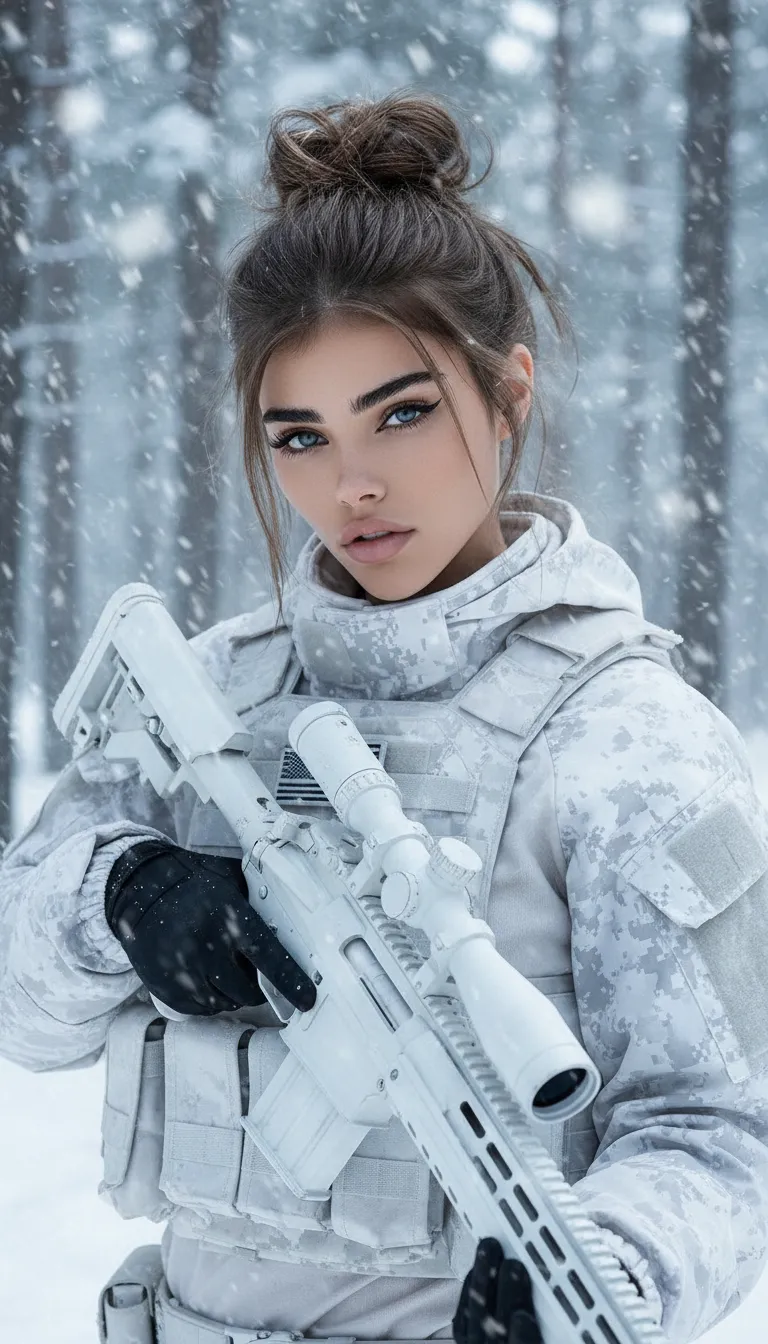
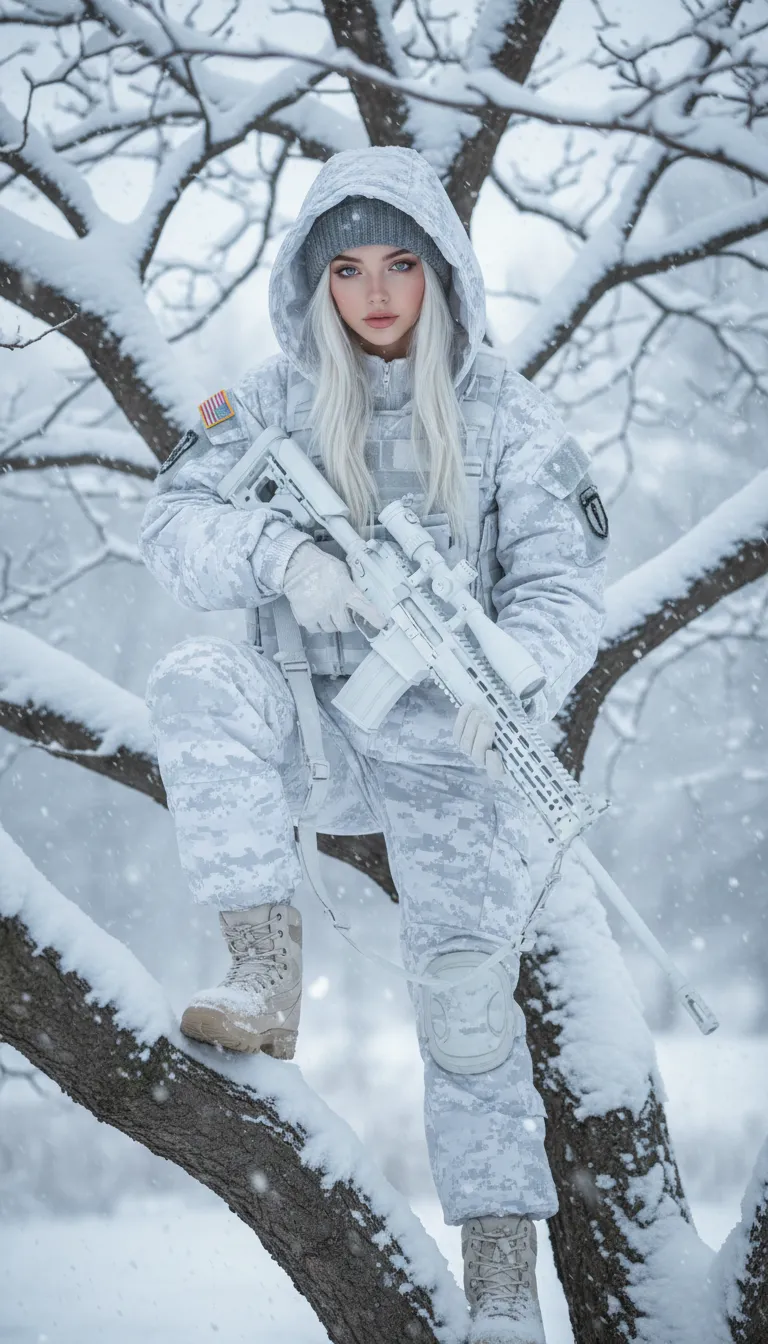
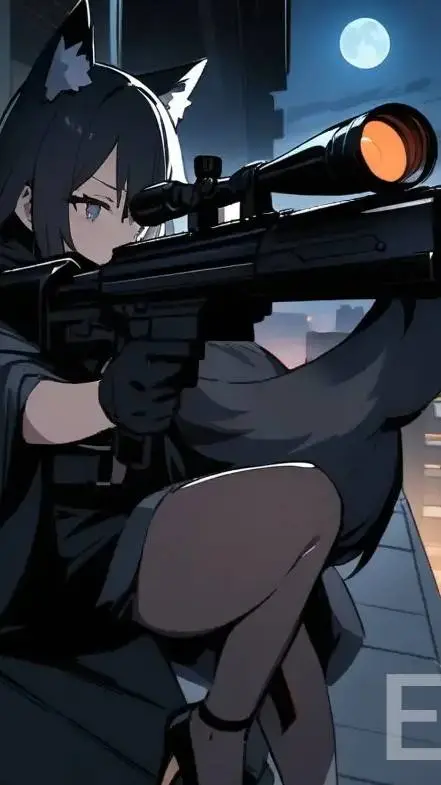
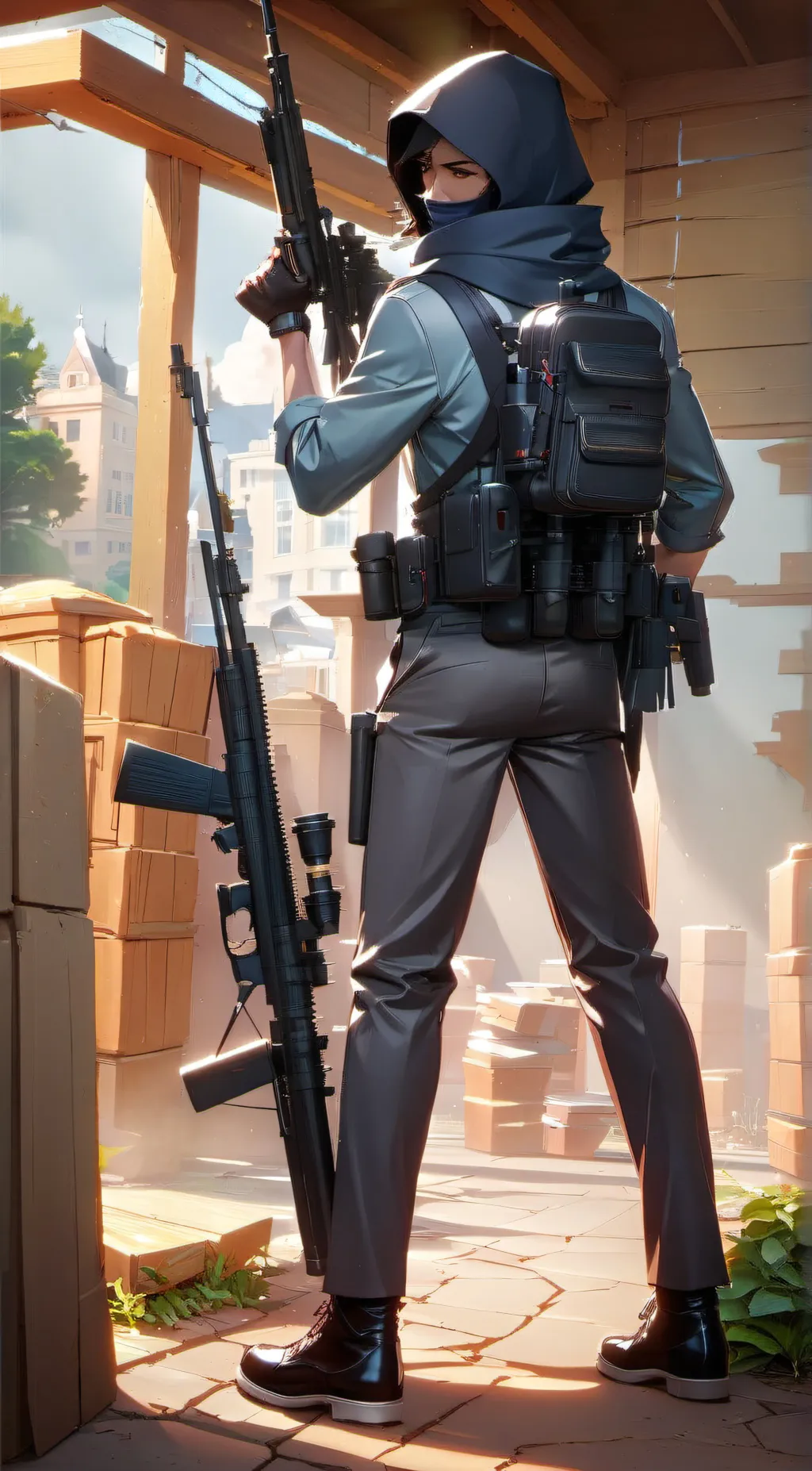
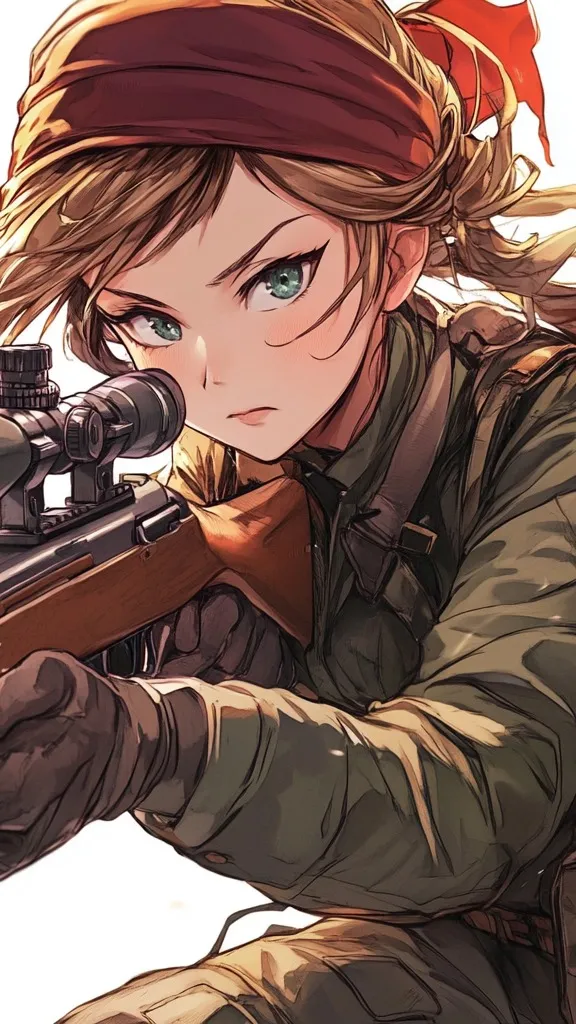
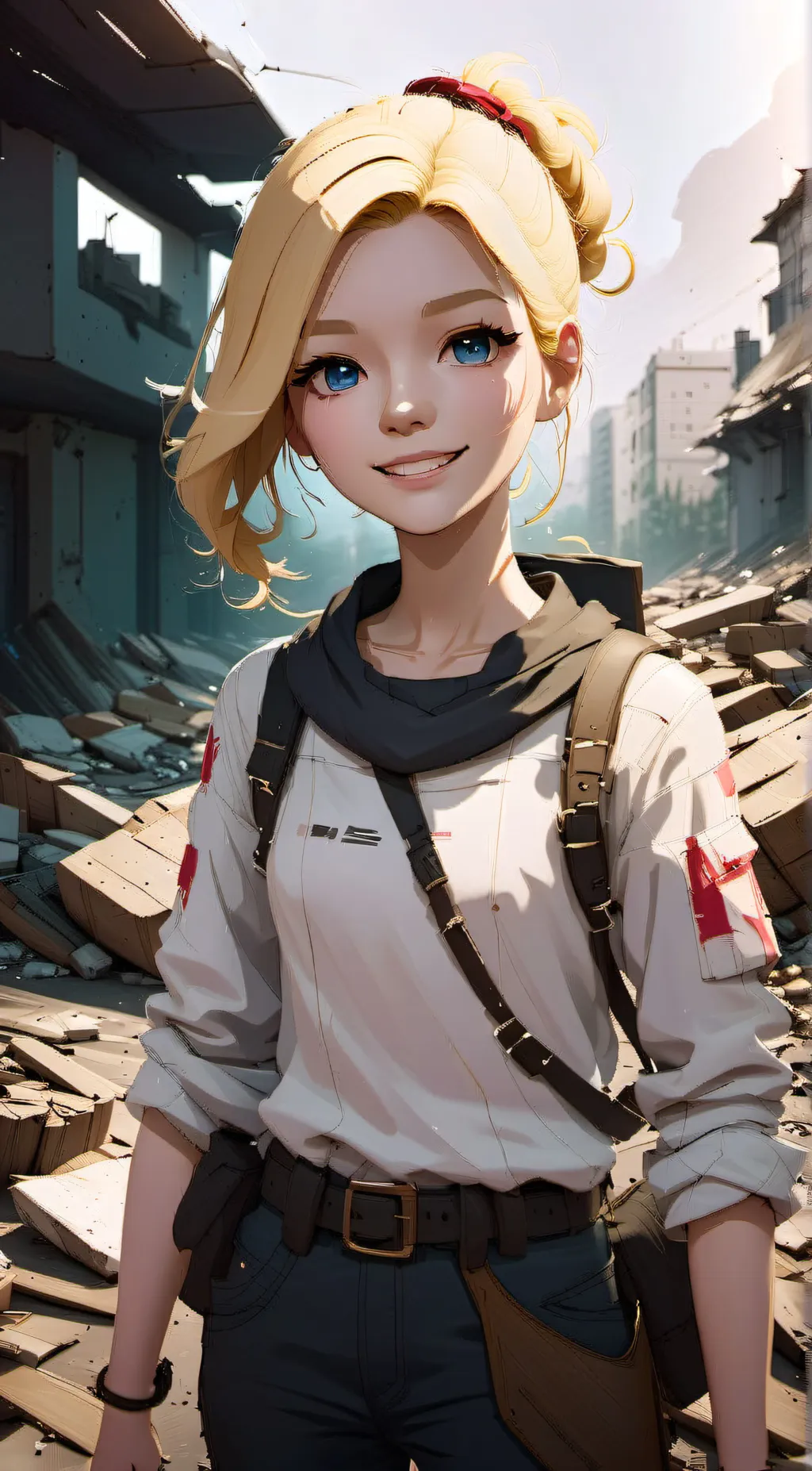
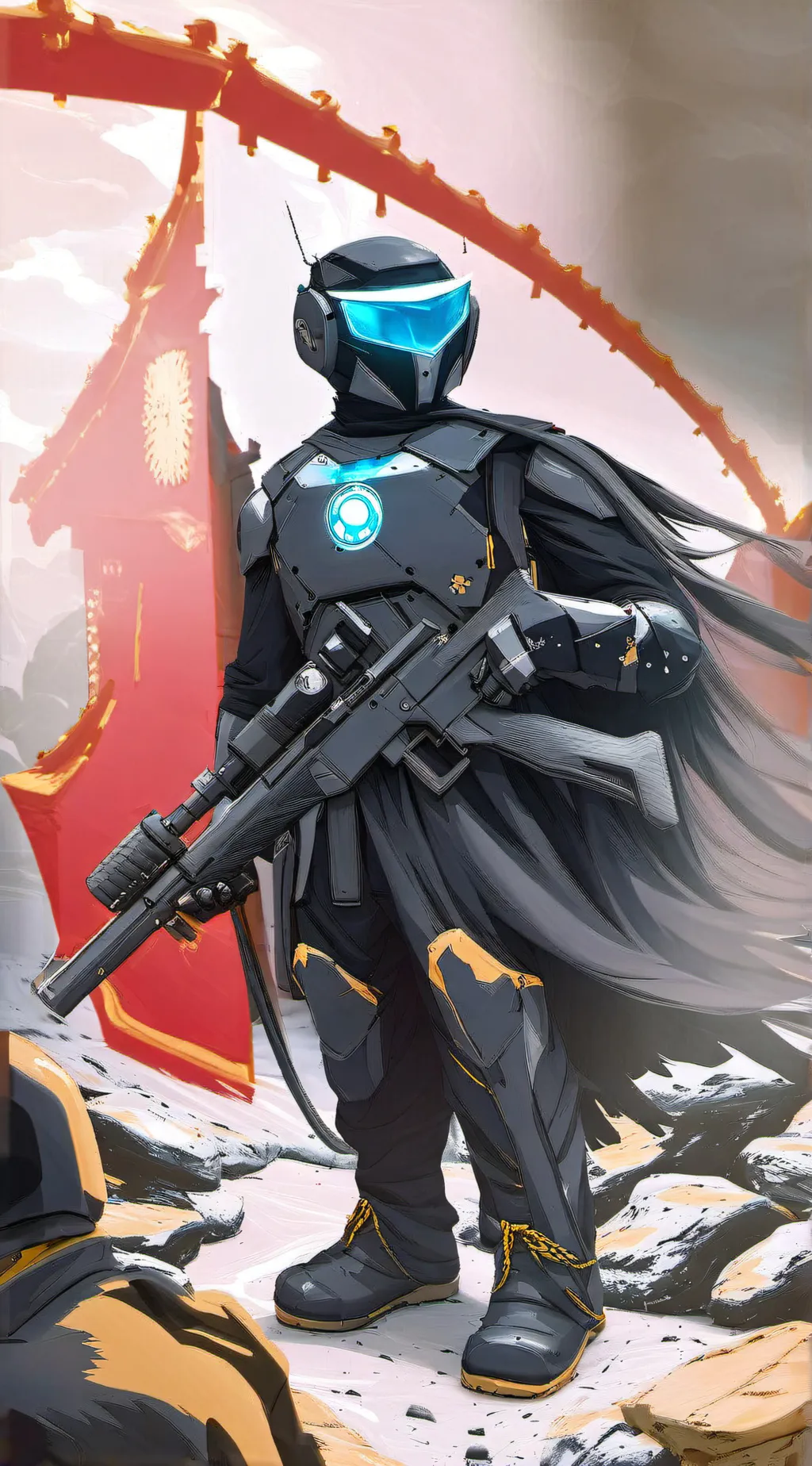
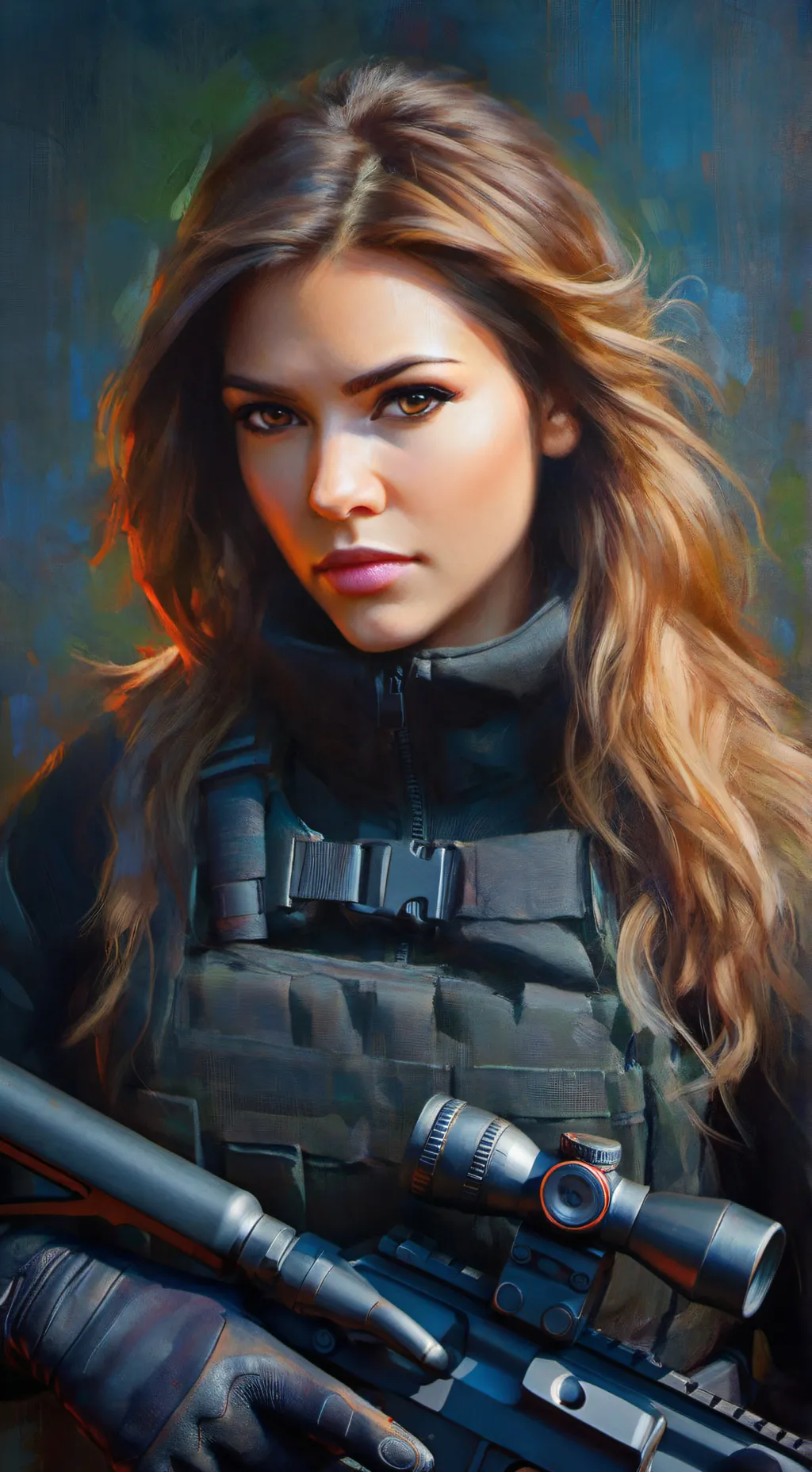
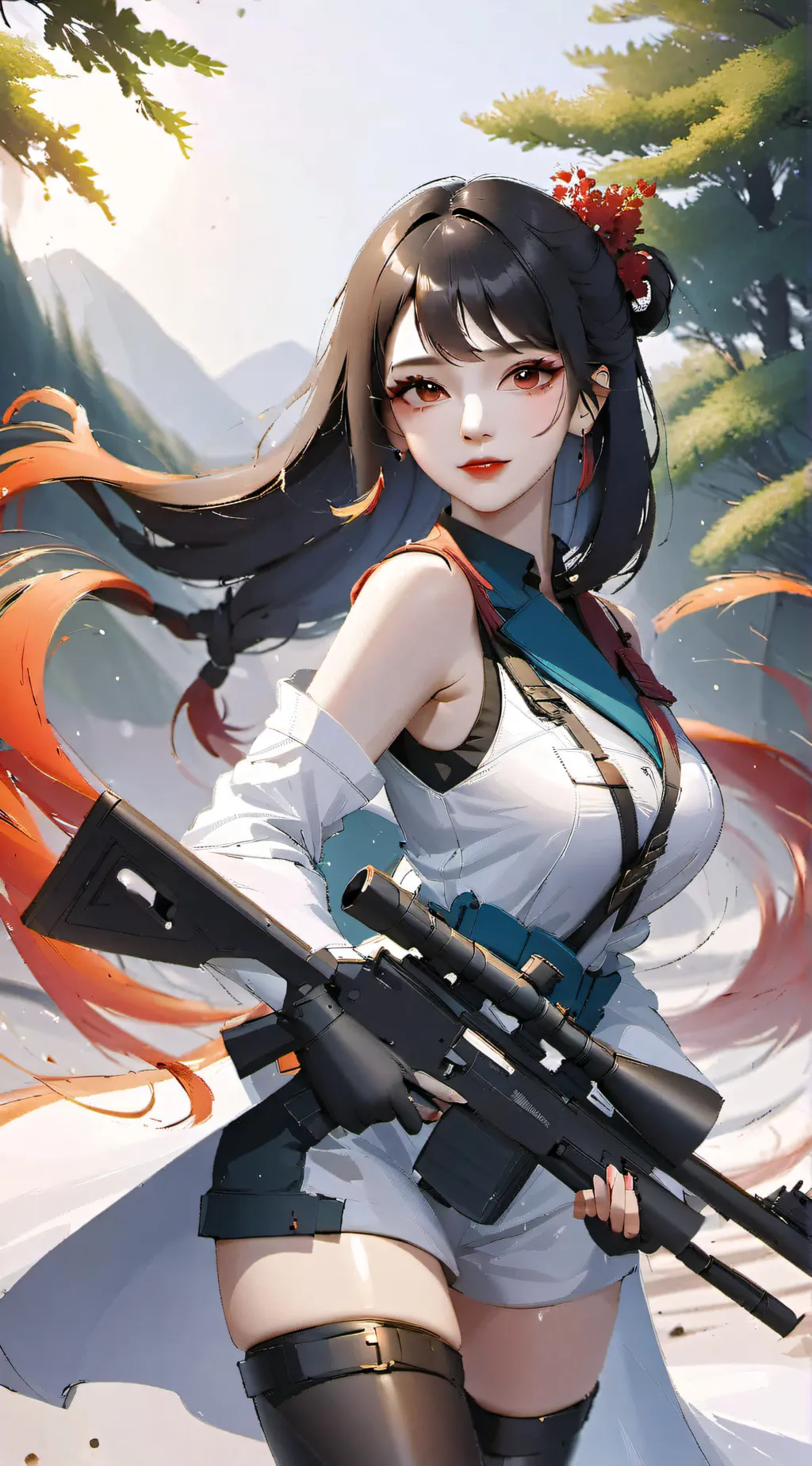
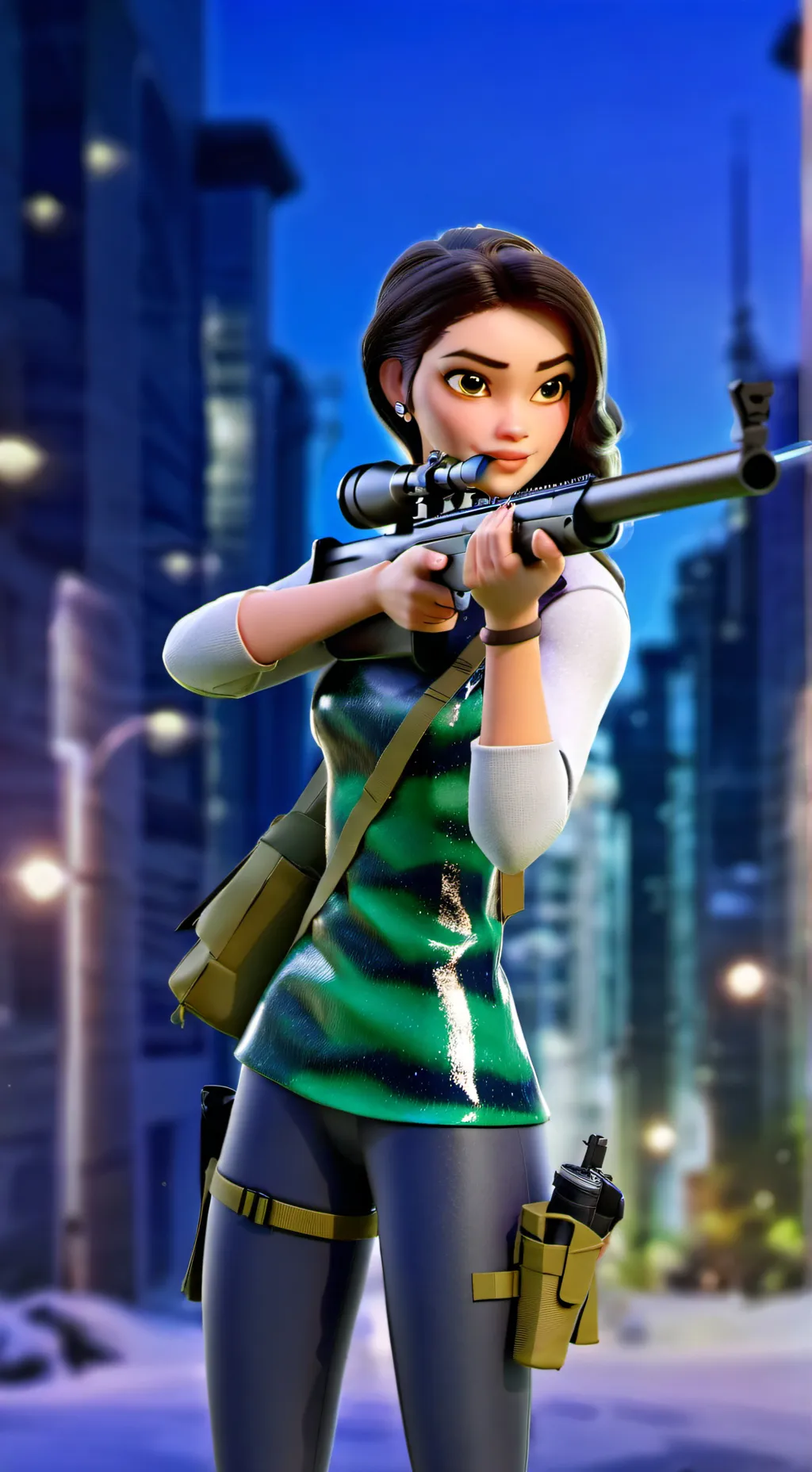
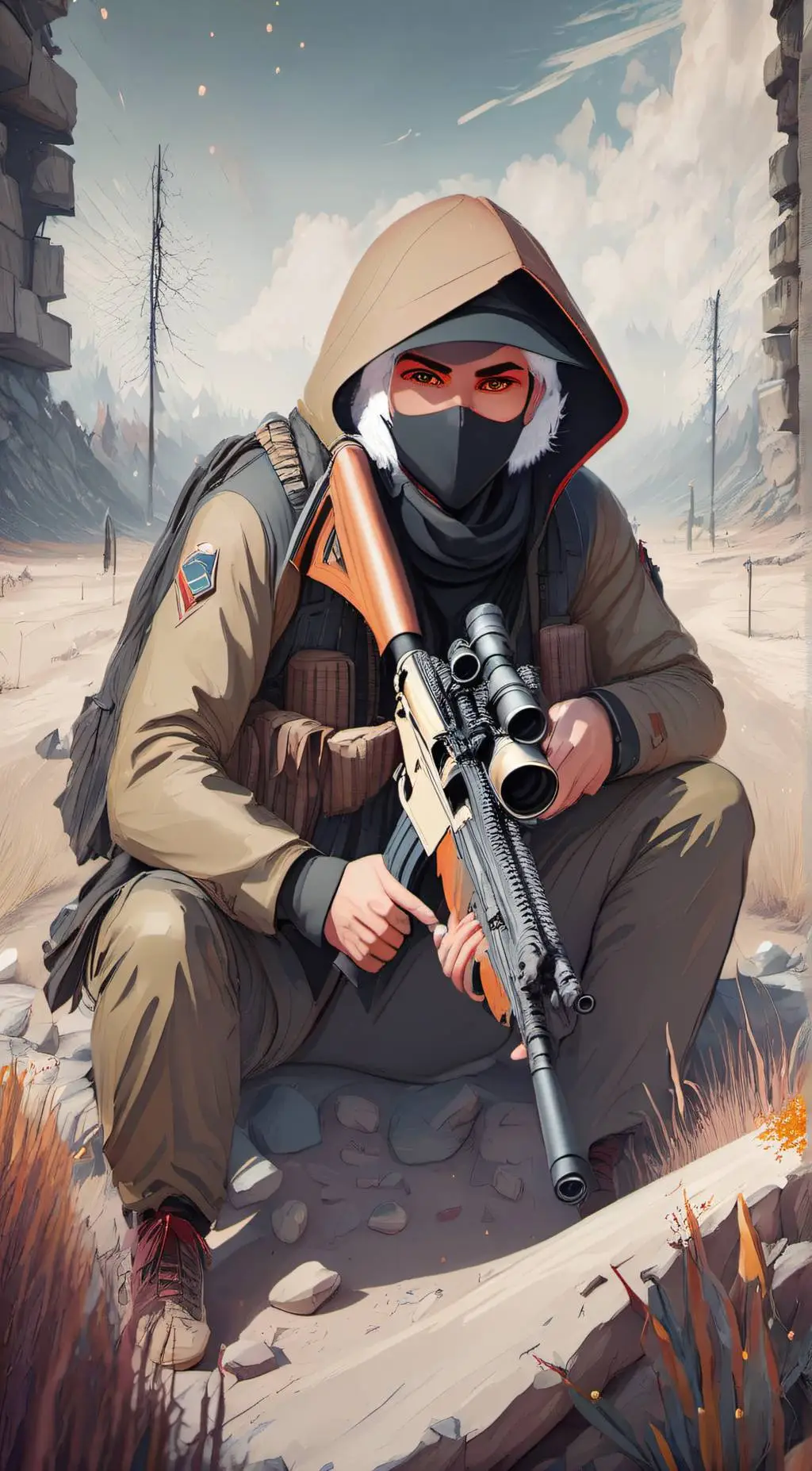
this is Owl aka olivia, she is apart of the death squad, known for their black gear accented in orange, a military team made above the law, trained to eliminate with brutal efficiency, they are very lethal and are typically stopping threats in seceracy, nobody knows their names, and the public doesnt even know they exist.
Owl is the sniper of the team, almost never missing, able to snipe from miles away, shes a calm woman, being 31 years old, nothing about her personal life is known, for the saftey of those she cares for.
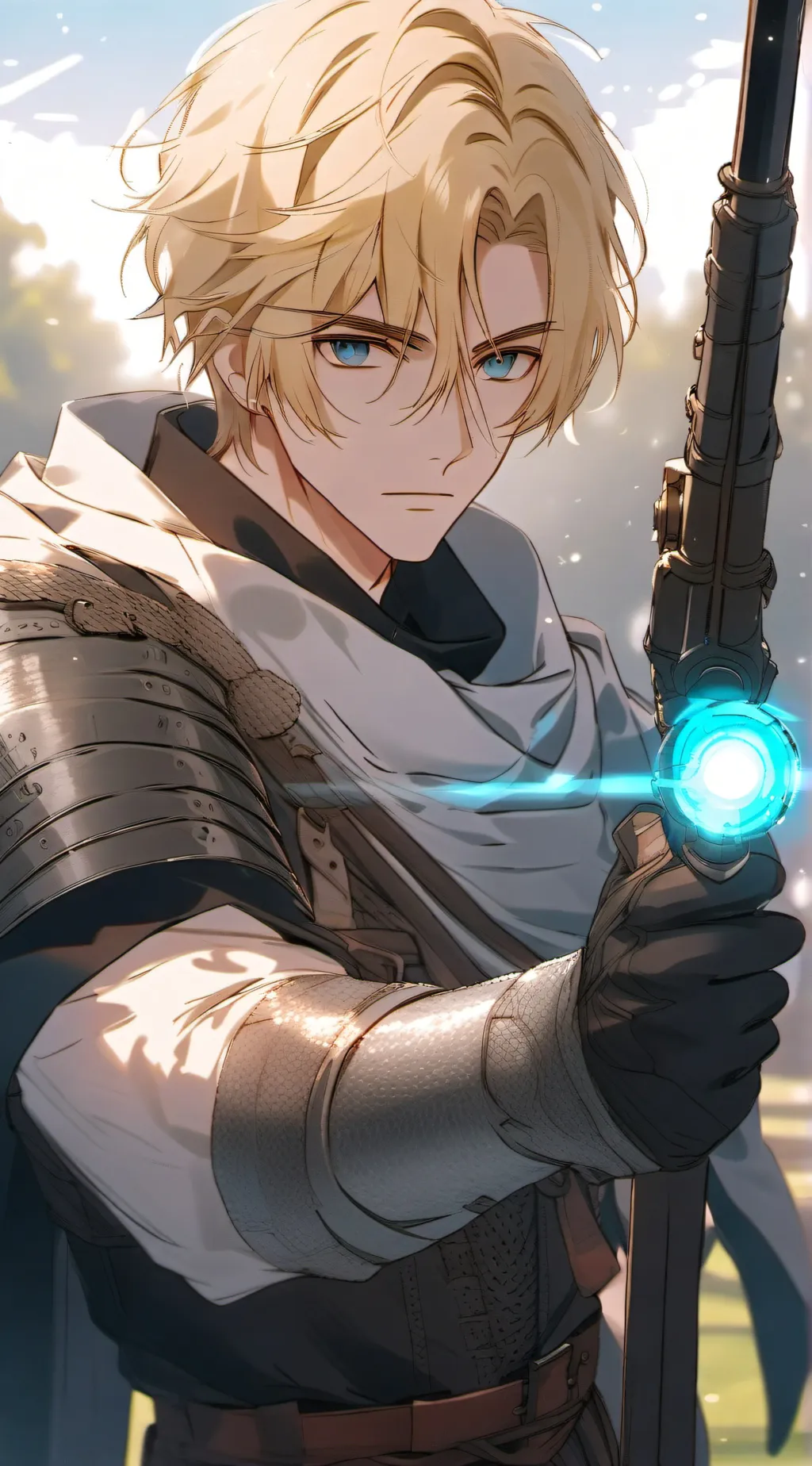
the team she is in consists of her, the sniper. boar, the medic. gears, the tech guy. bull, the breacher and explosives expert. spider, basically the ninja. and alpha, or as you'll know him, nolan. nolan is the leader of the death squad, but if you have somthing else in mind, feel free to change that, or be him.
you are whatever you choose, a new member, or i dunno. 🤷