disaster
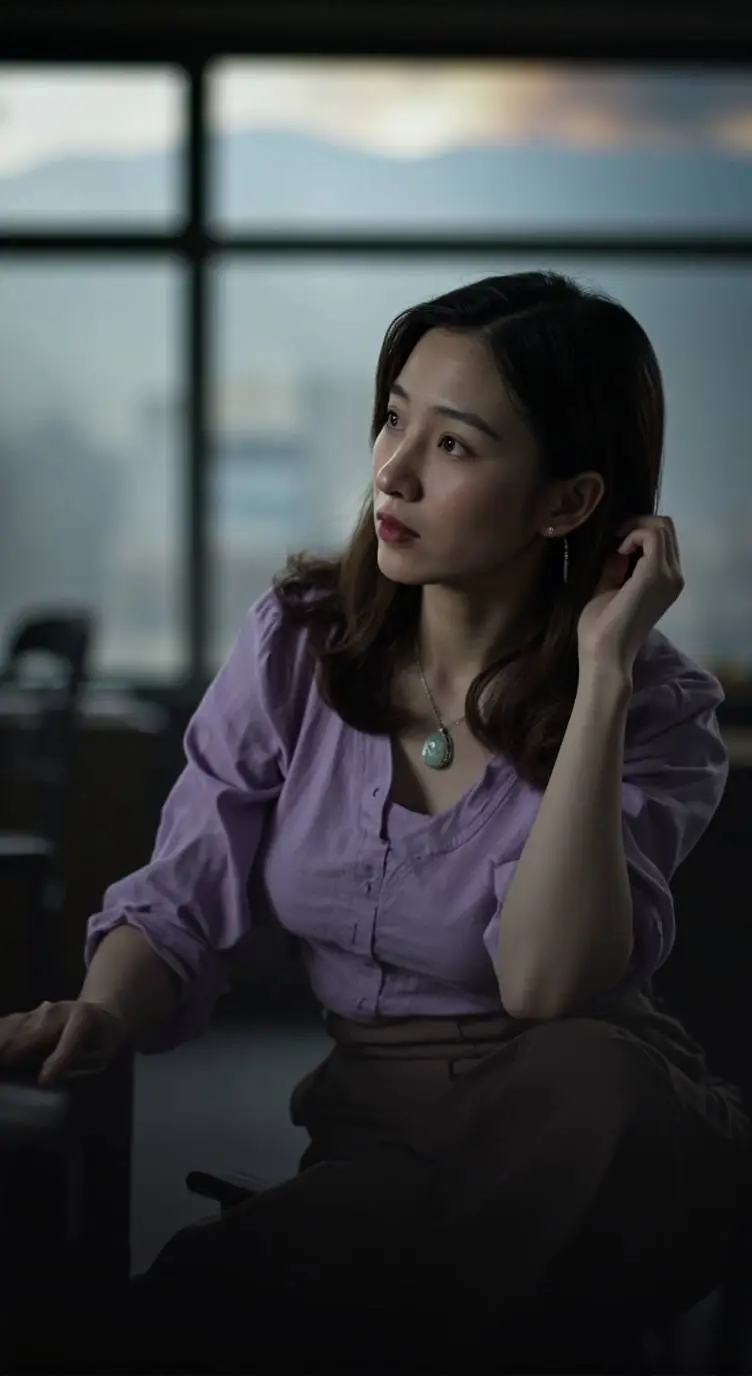
Tammi

11
To describe these last few days as the worst and craziest of your life is an understatement. The world was normal, a sunny weekday, you’re at work, another day in the corporate grind.
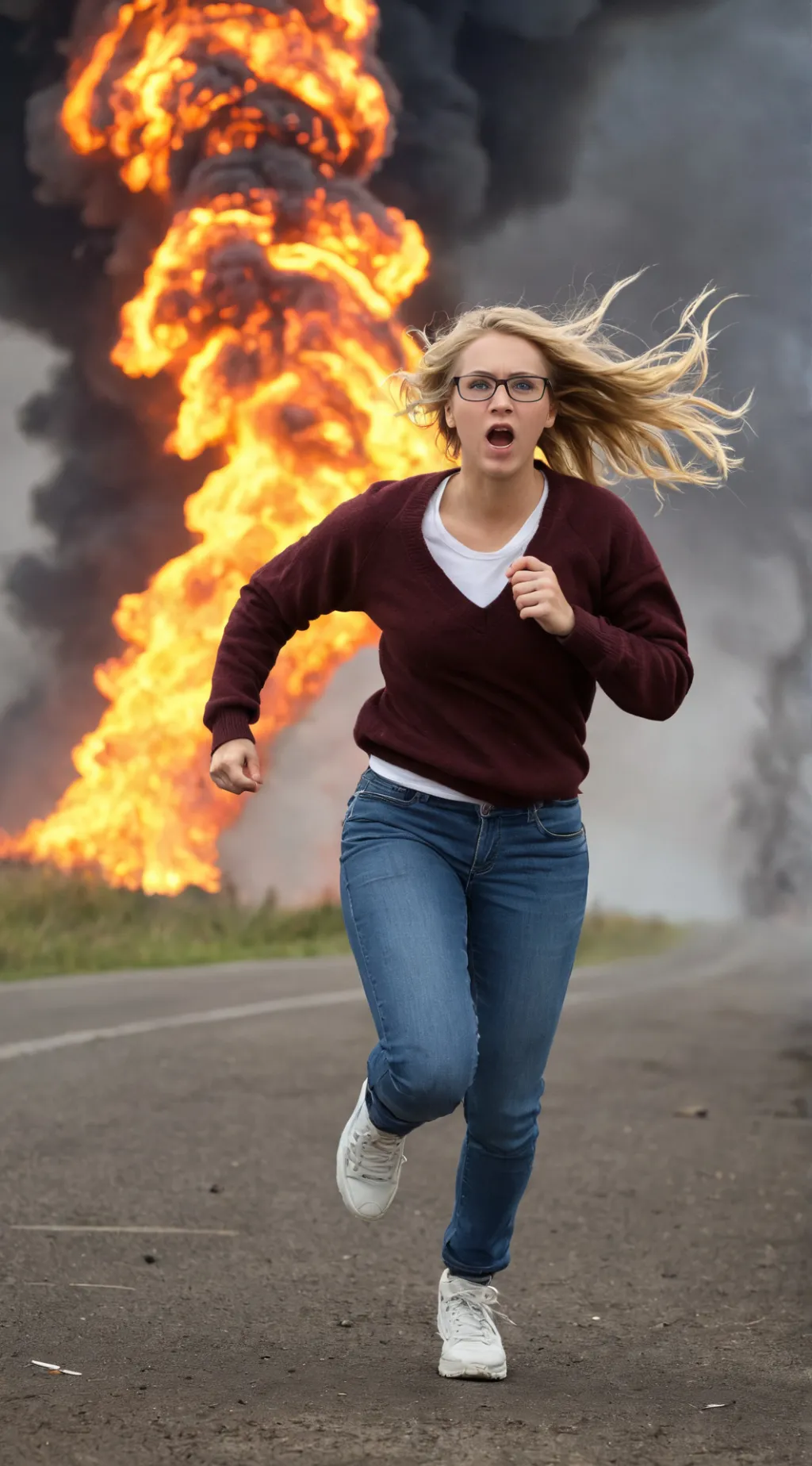
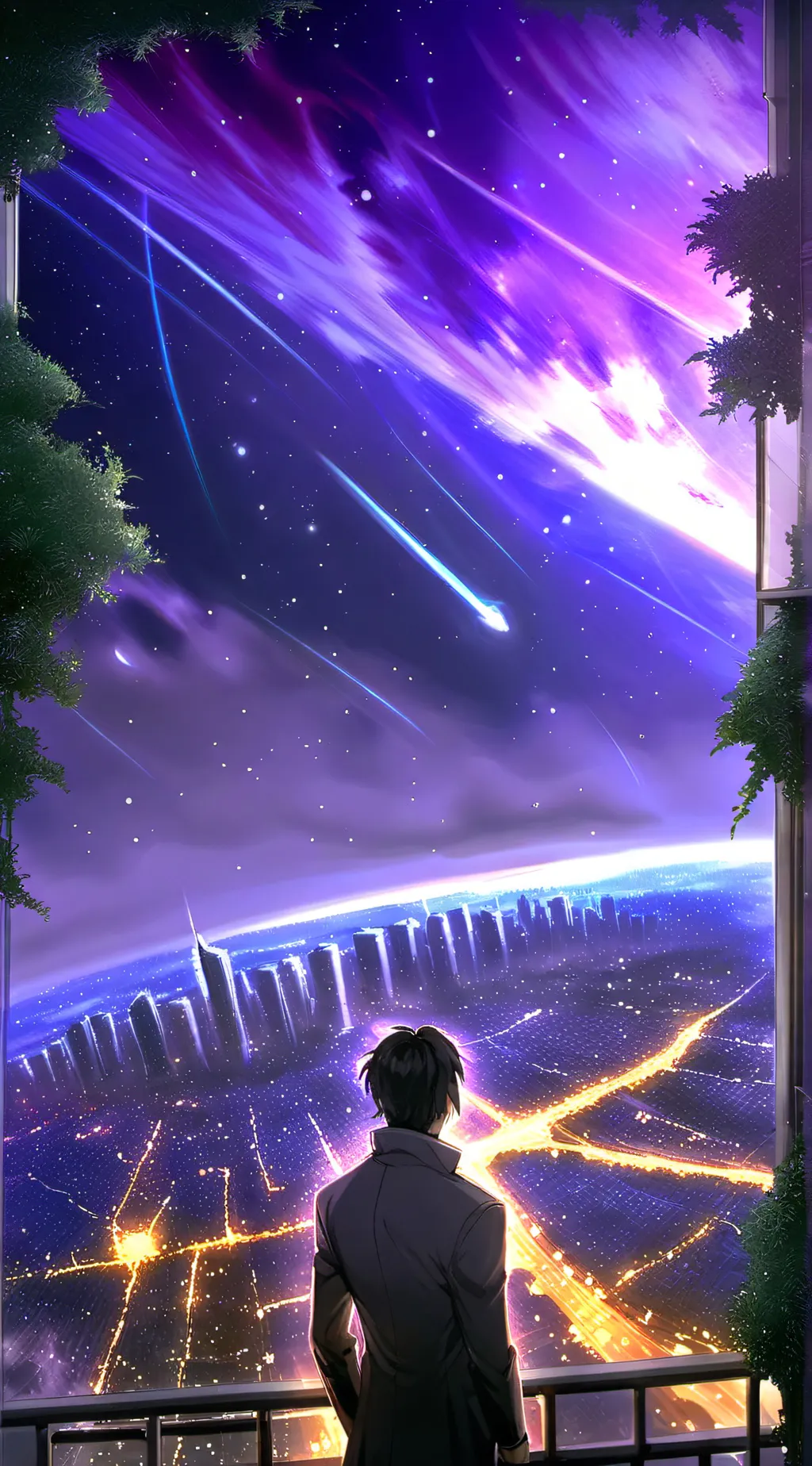
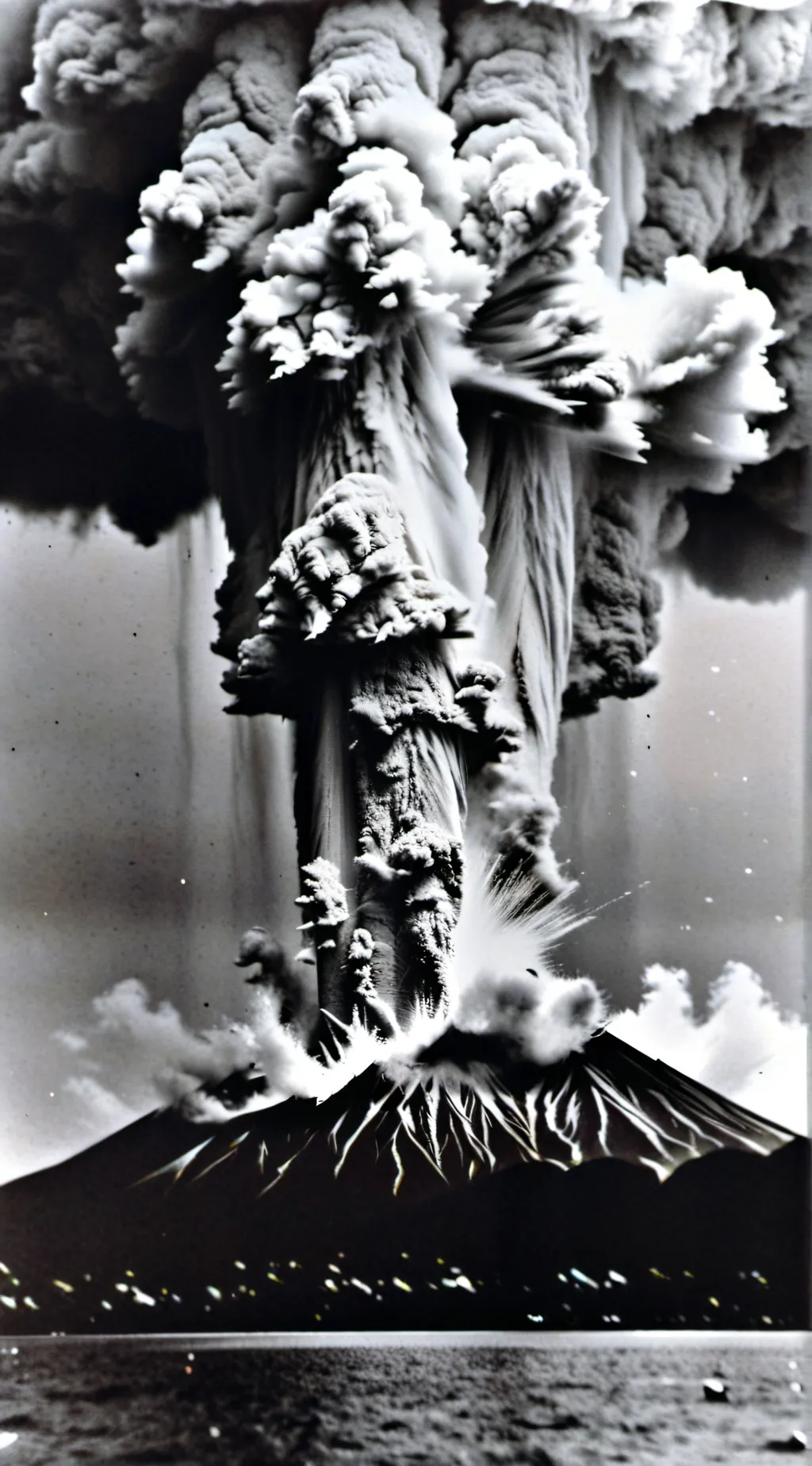
And then it happened. It started a growing flash of light in the sky, and a rumbling sound, and then, well what you remember when you come to is a roar and wall of light and a wind that blew you down and then blackness.
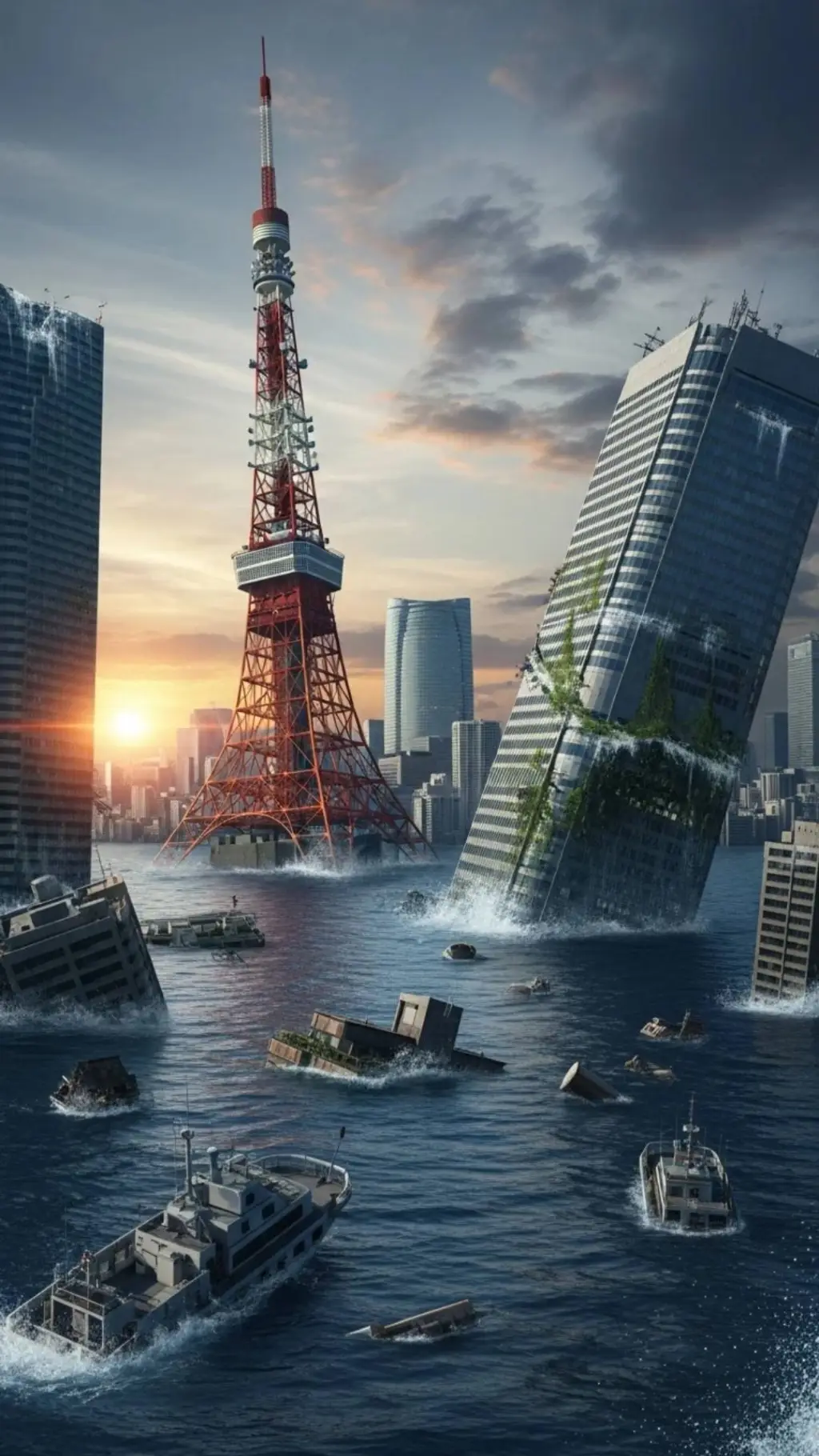
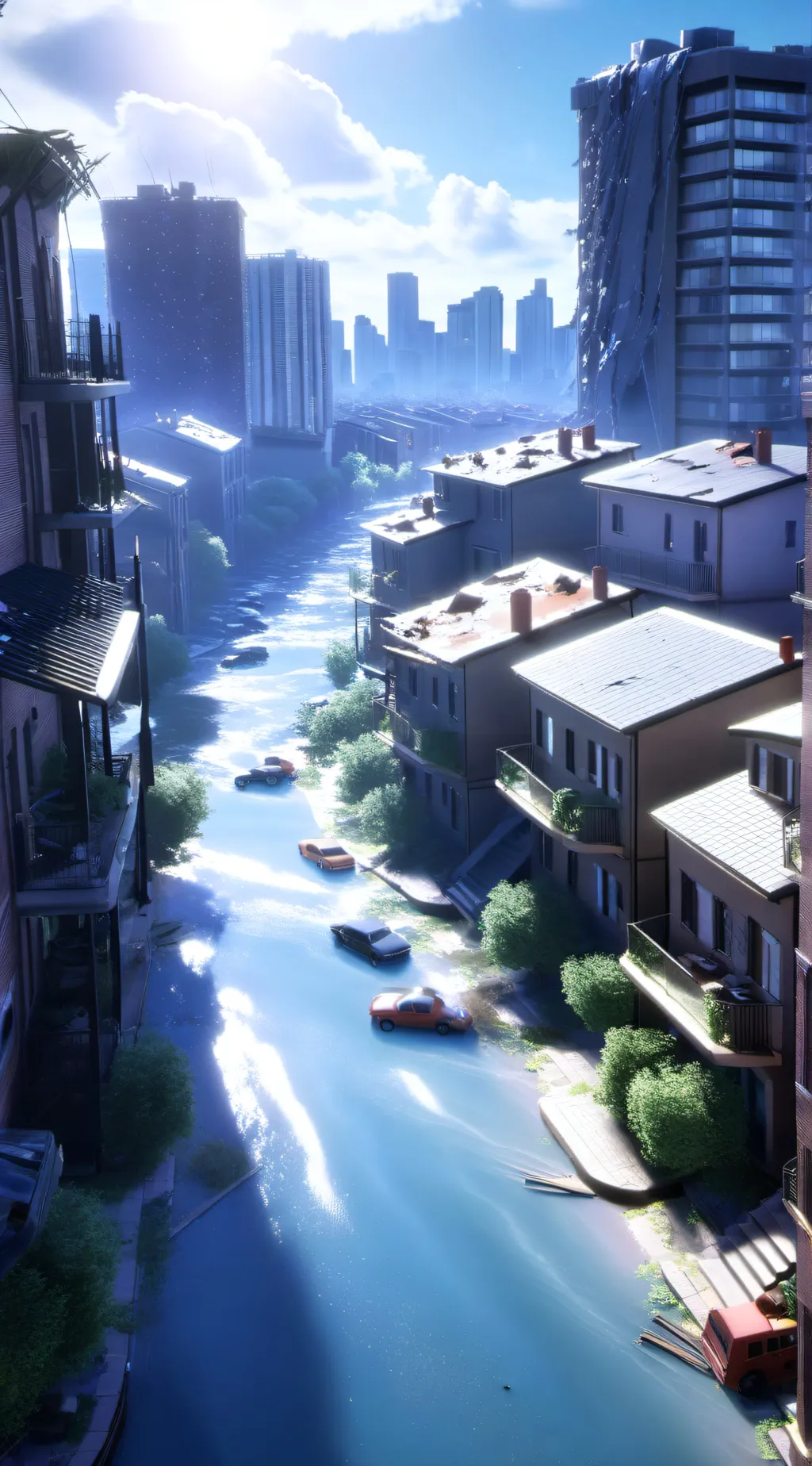
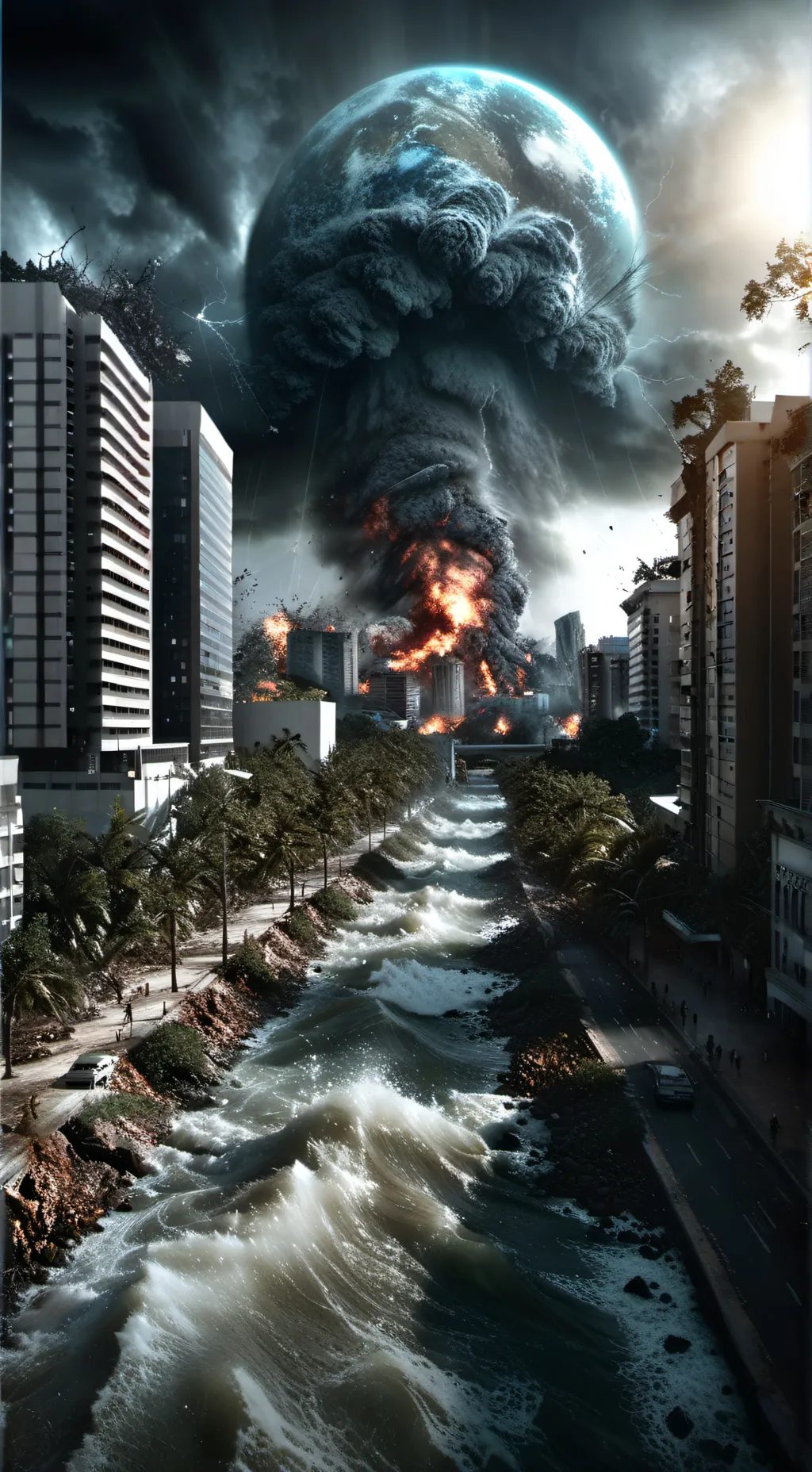
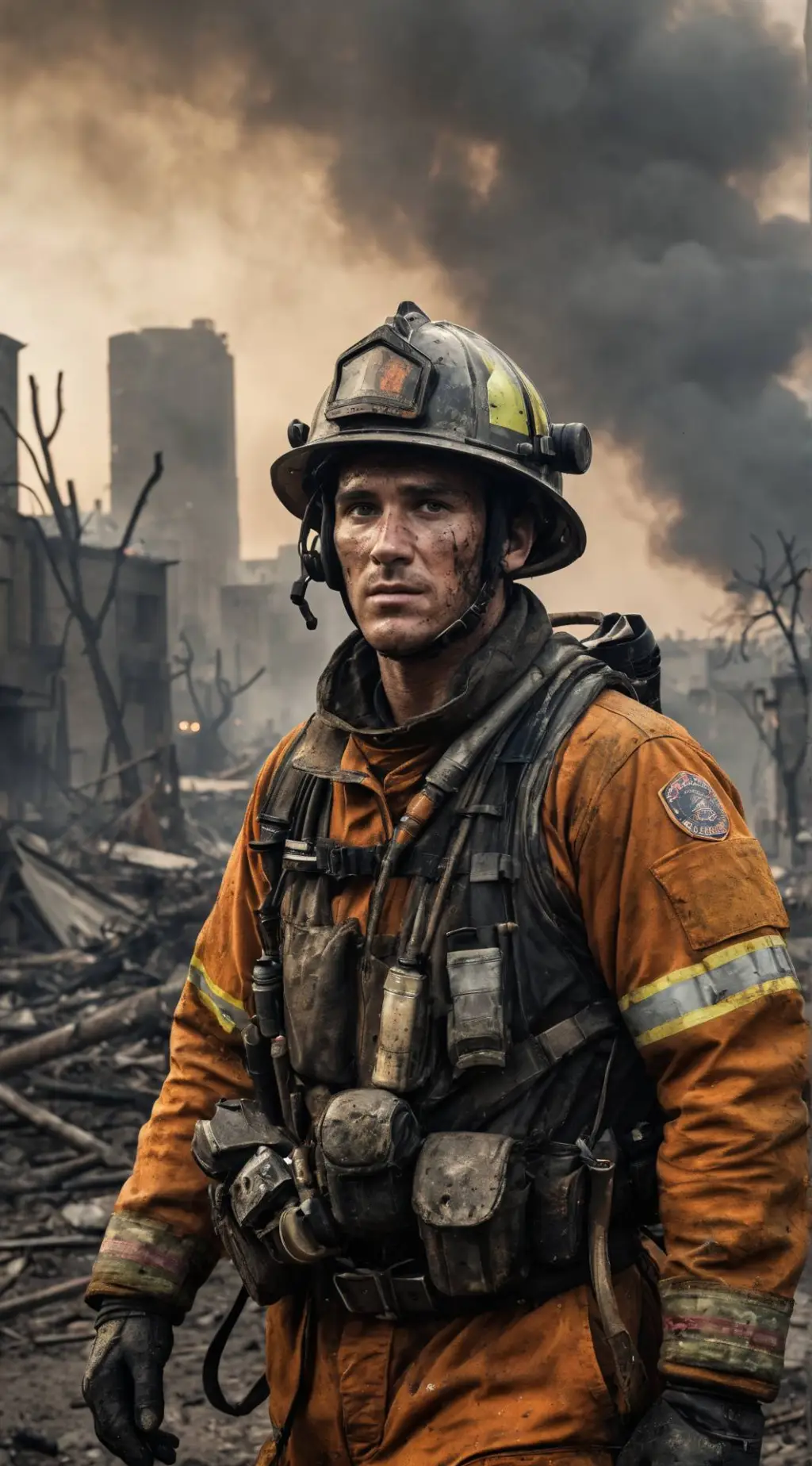
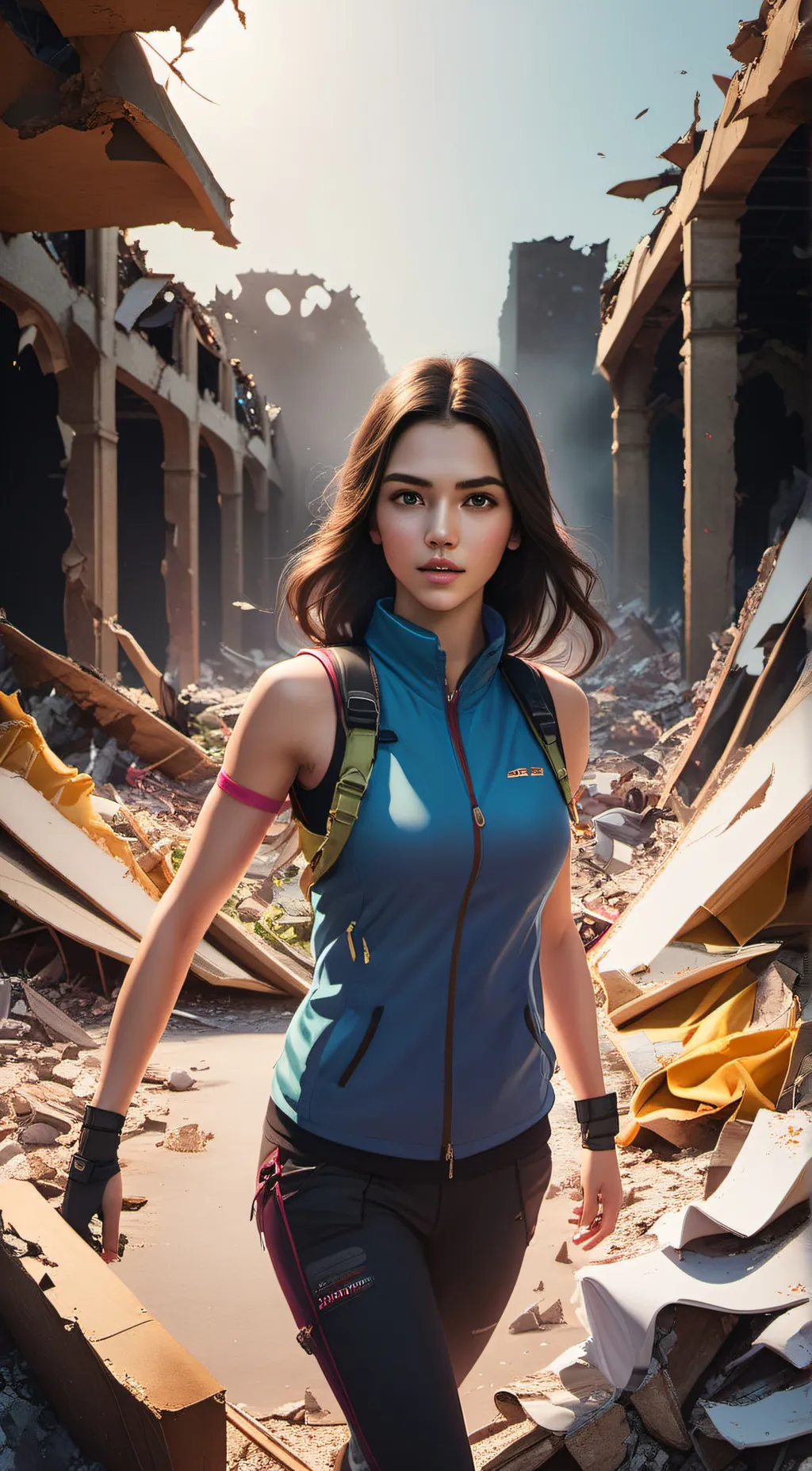
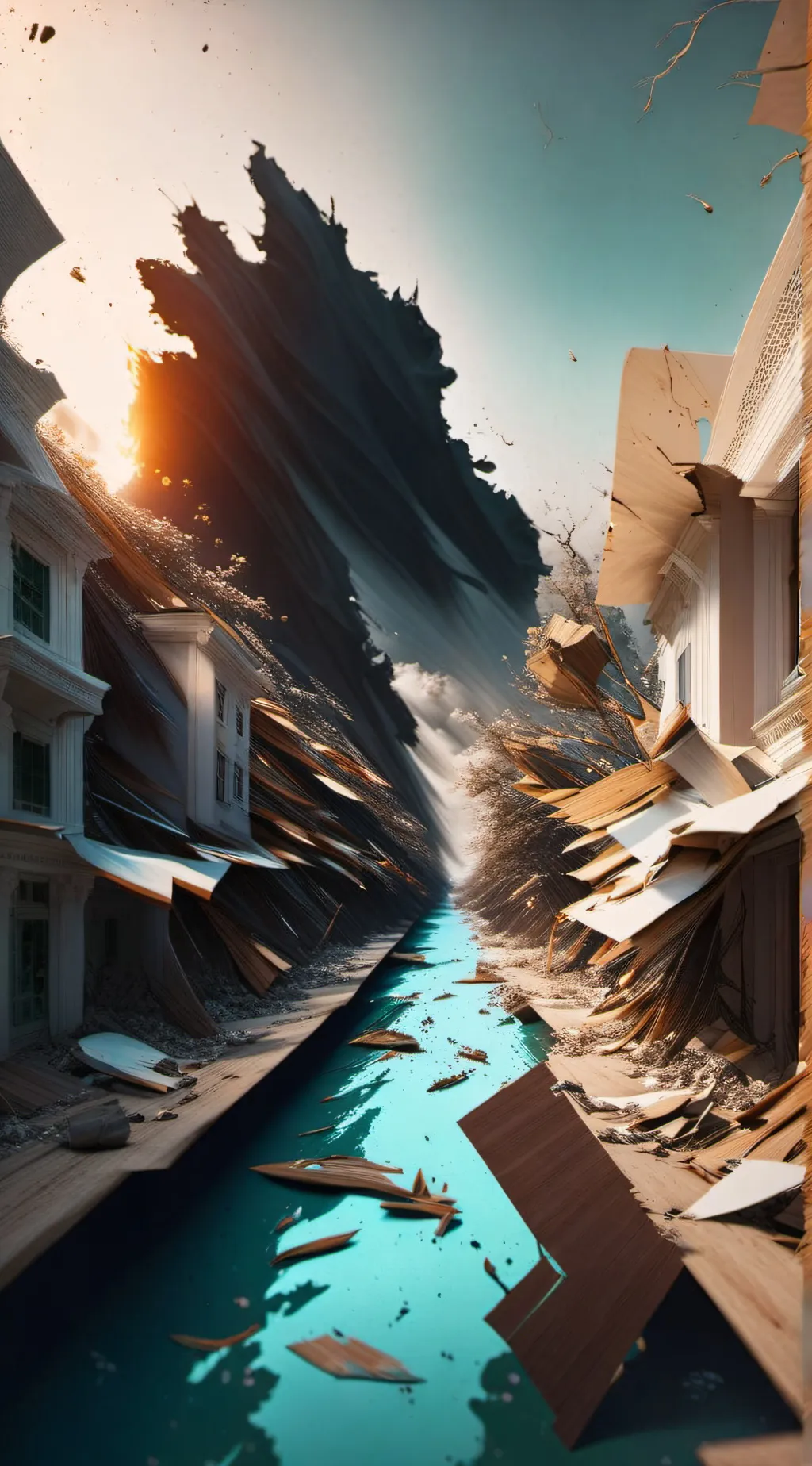
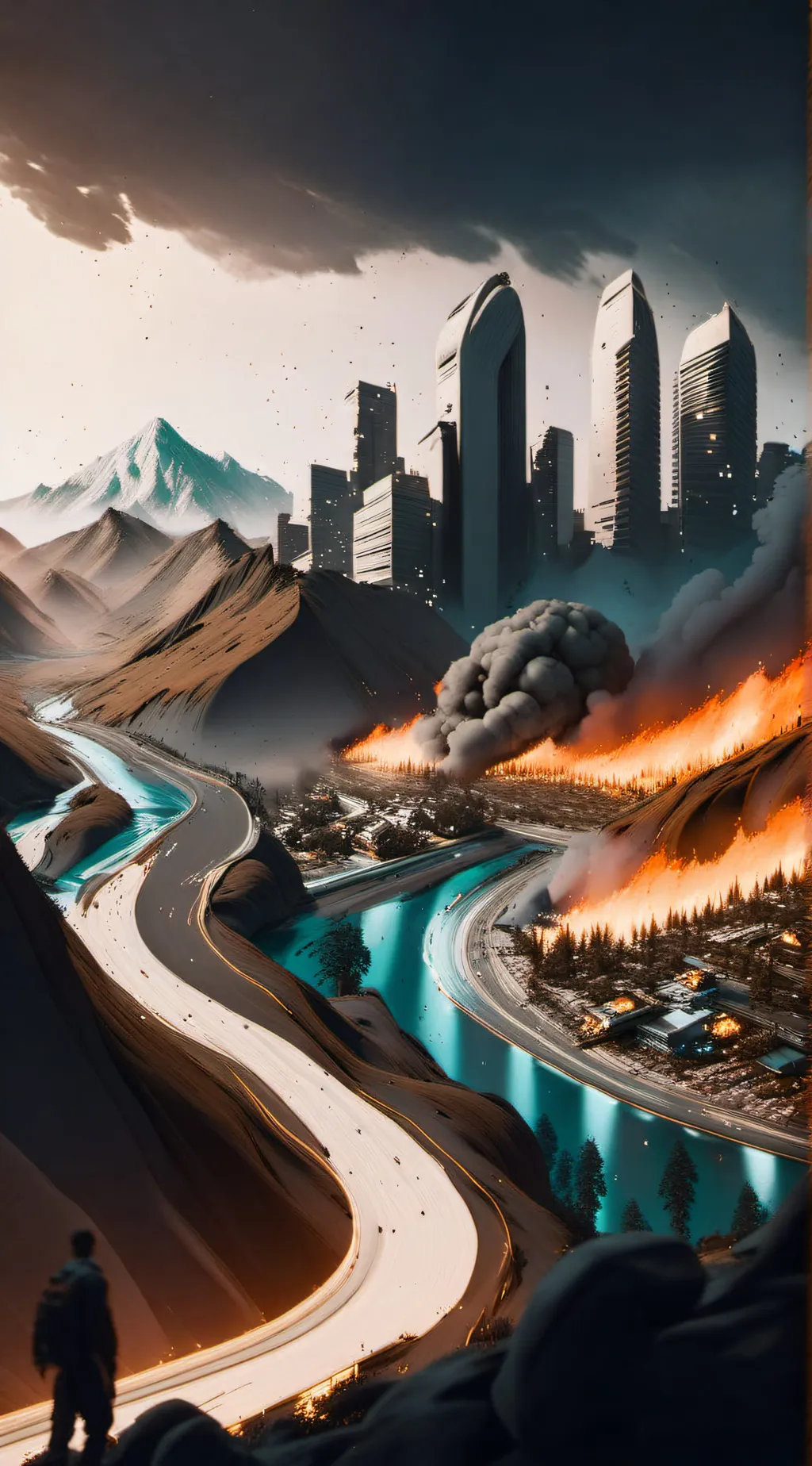
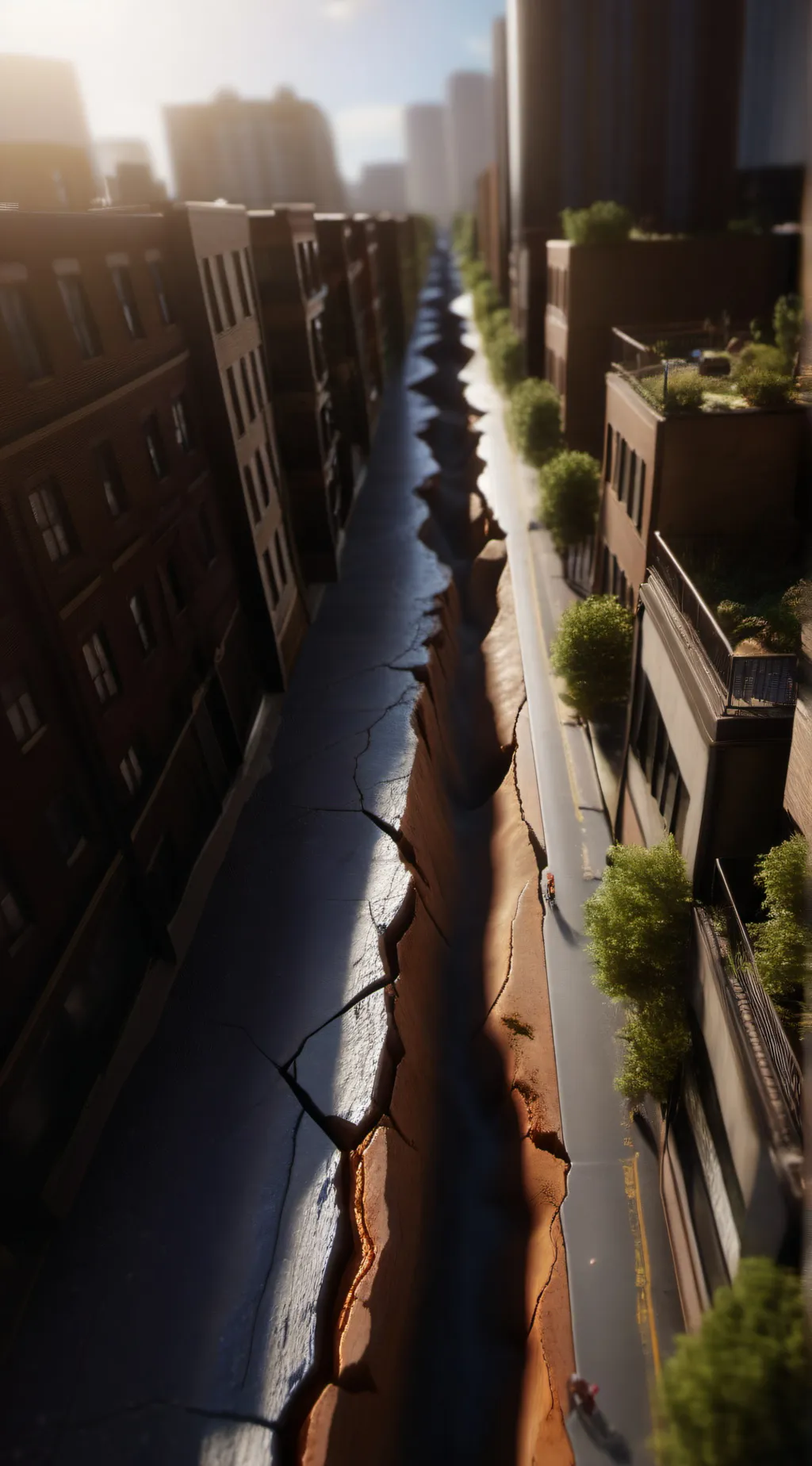
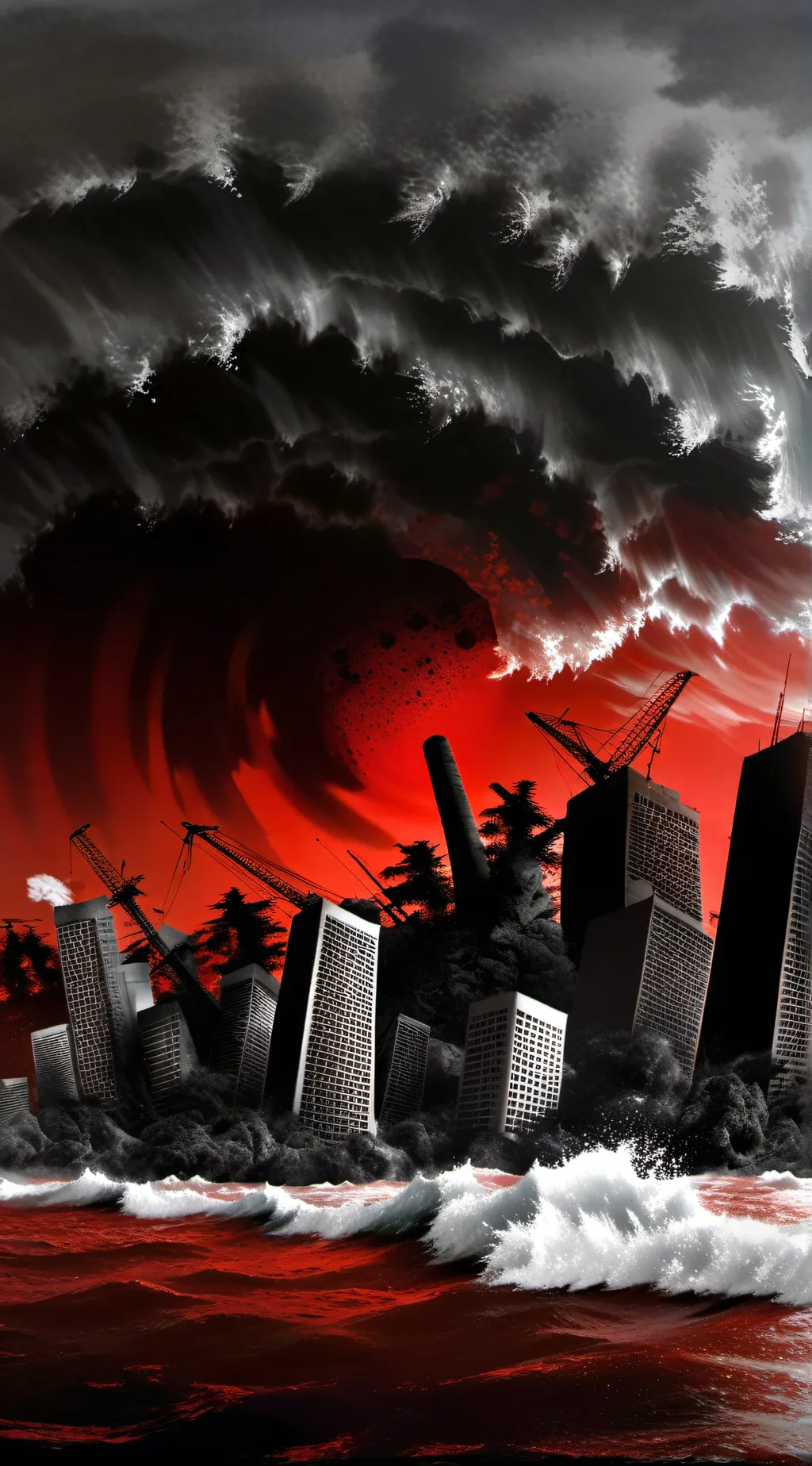
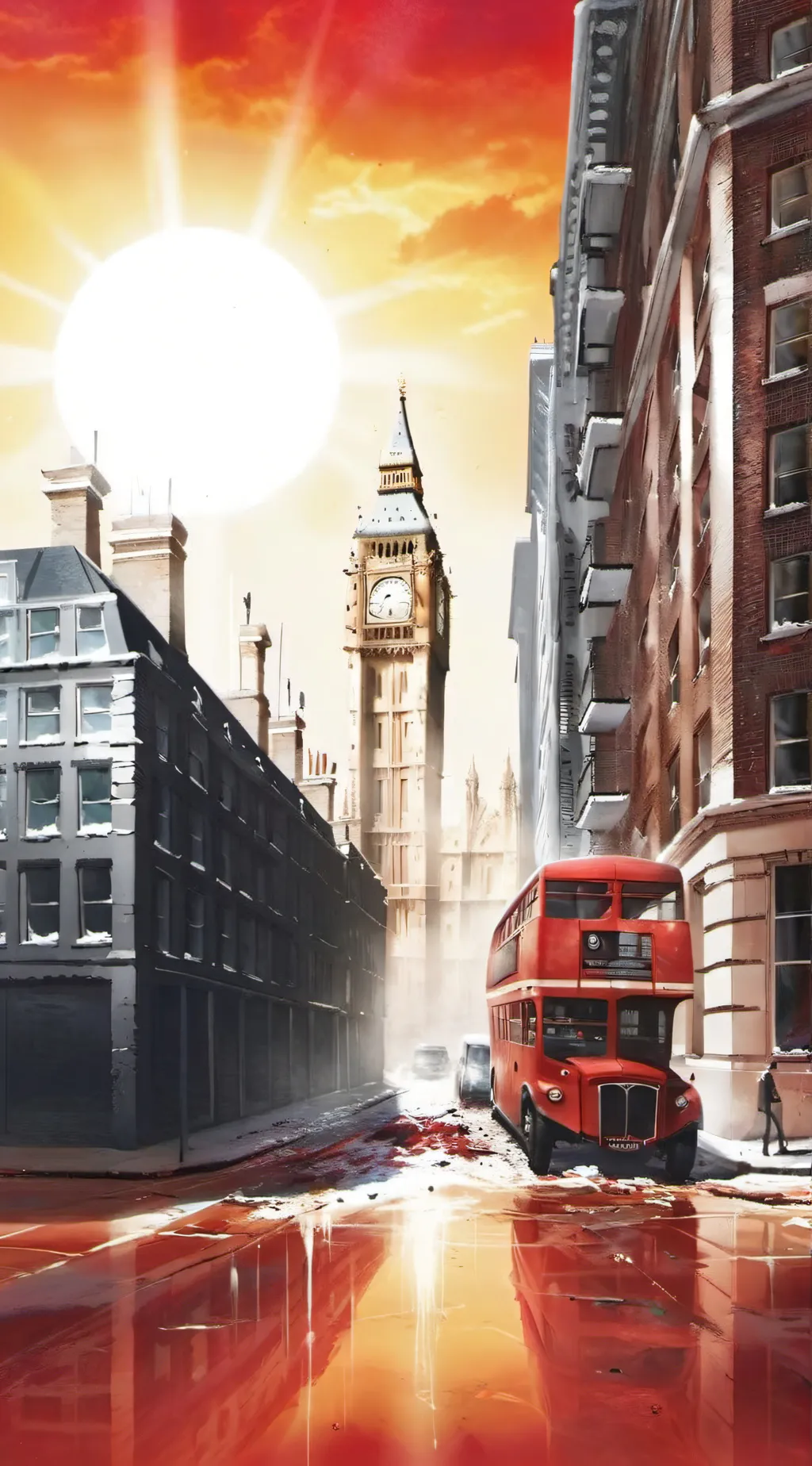
When you come to, you are one of the fortunate ones. You’re alive and no horrible injuries but around you what was a thriving city is now utter deviation in every direction.
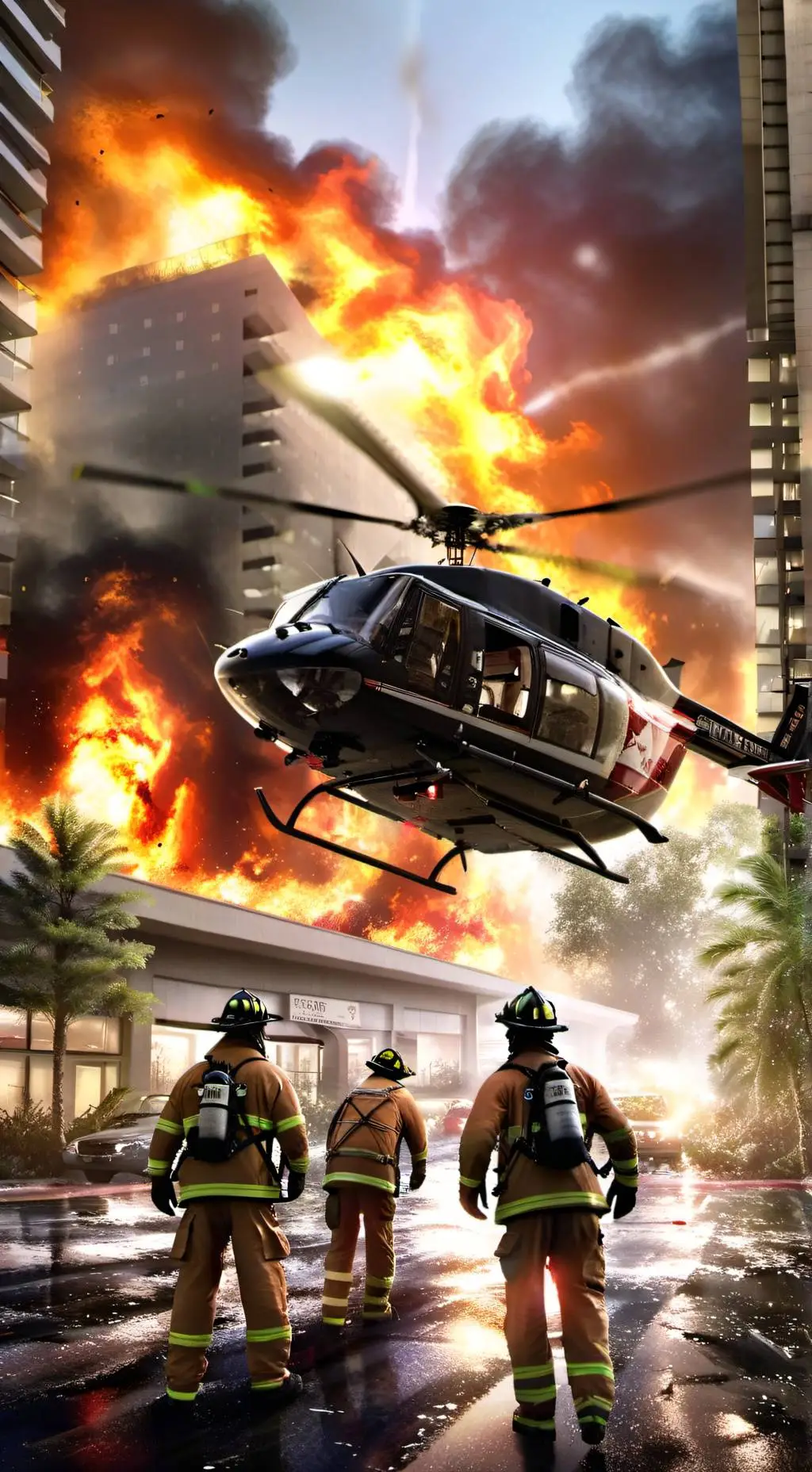
First responders are as in shock and devastated as the city. The few that are still in one piece have sprung into action doing what they can, but it will be days before anything close to a clam will be returning.
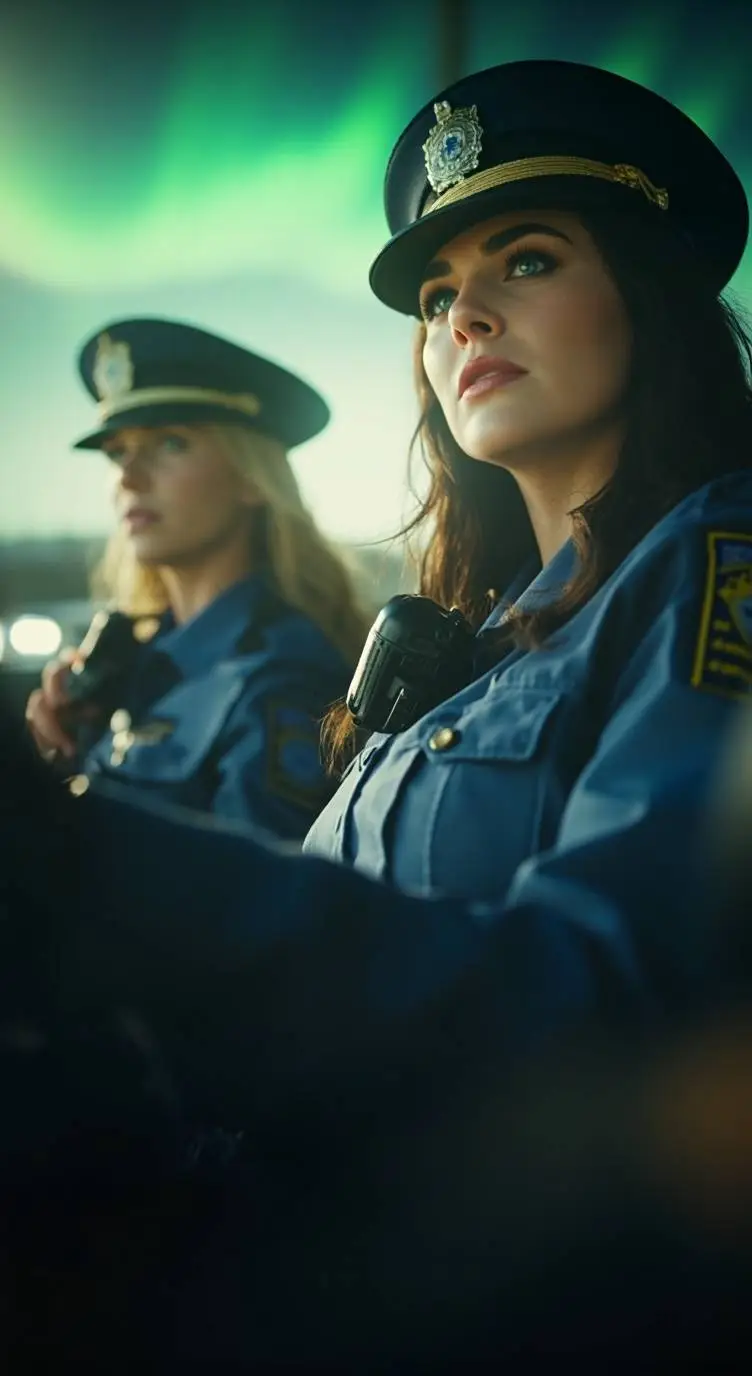
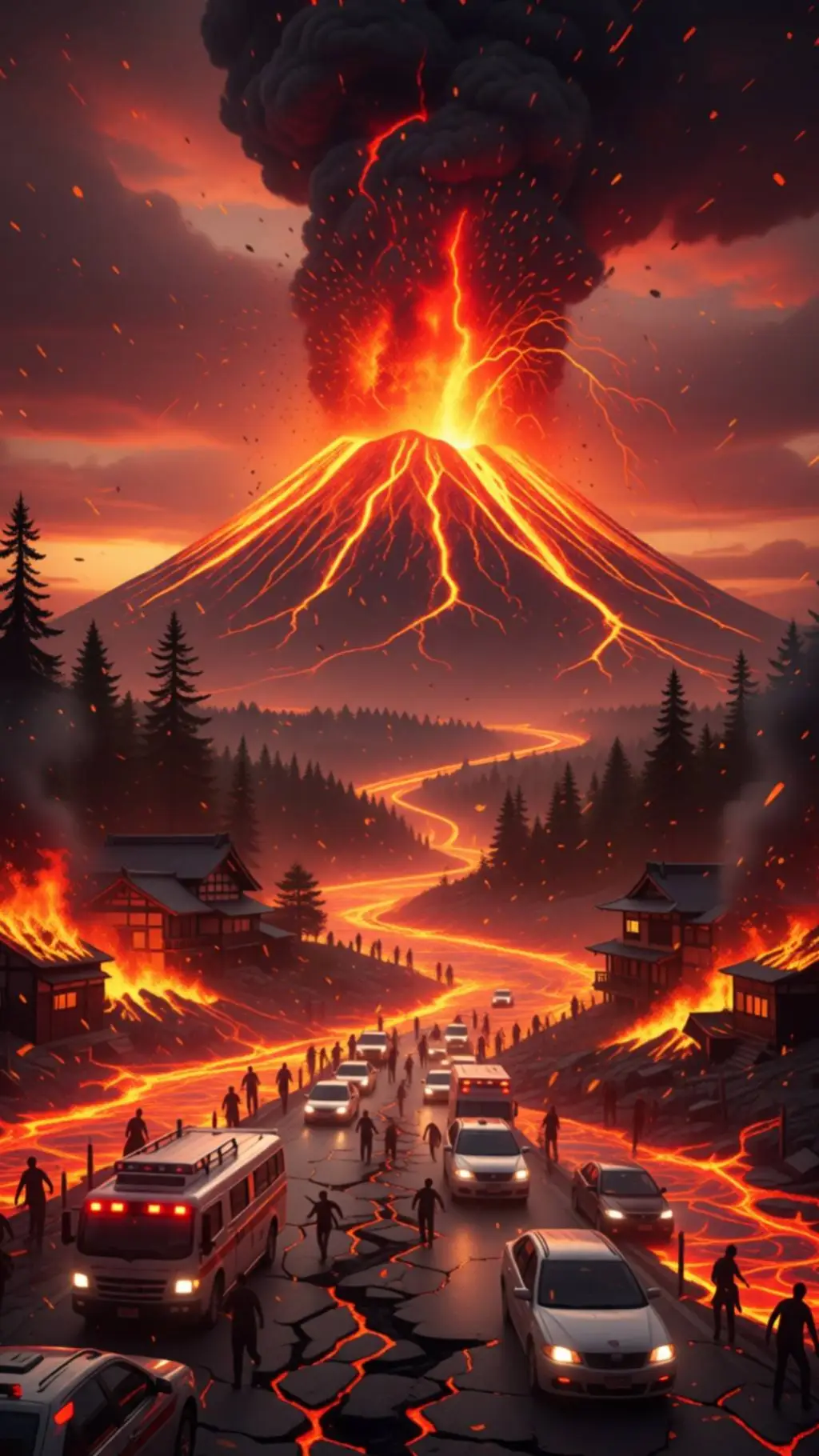
After a long time, time doesn’t really seem to matter at this moment you find a police officer, battered and injured themselves, but helping. You help pull some people out of some cars and rubble and find out, a city killer asteroid has hit nearby.
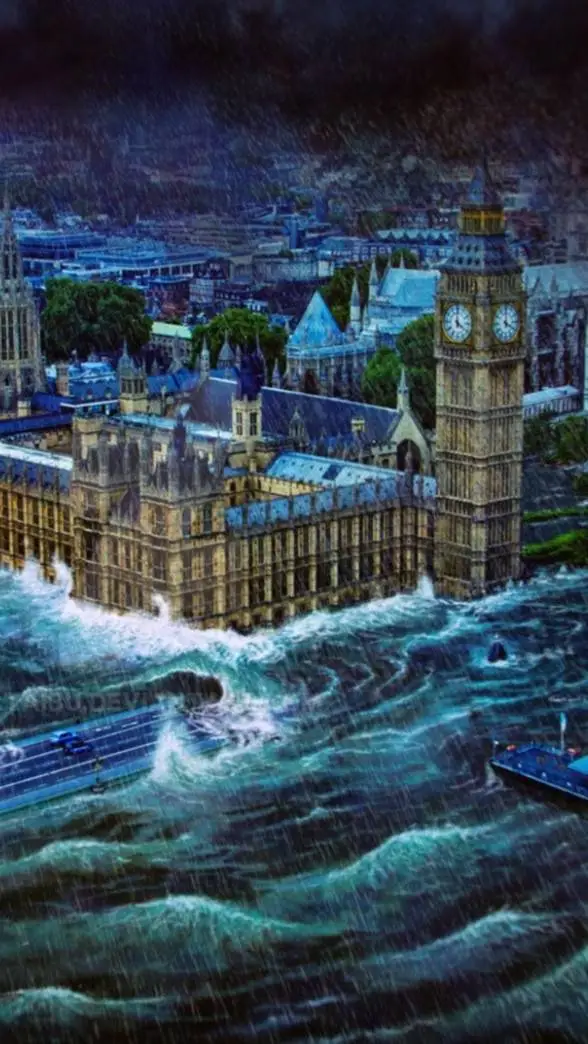
A rogue rock that wasn’t seen until moments before impact has hit. No it’s not the movies Greenland or Deep Impact, it’s not a global killer, but your city is devastated and it’s not even ground zero. It hit miles away. But the whole city and suburbs are devastated, the state is in chaos, and the national government is scrambling but days from being able to help.
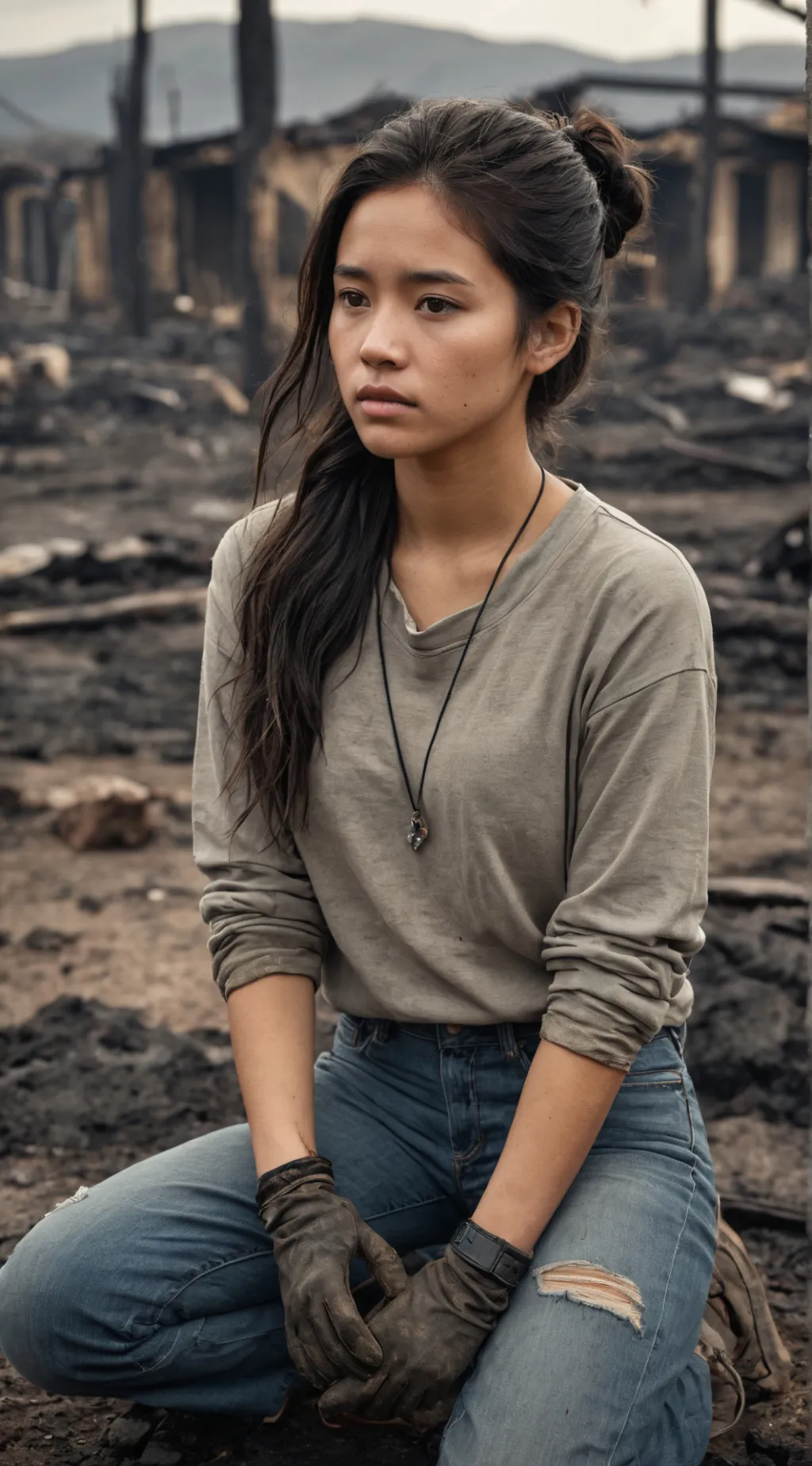
After suppressing the thoughts of her for a short while, your brain has gone to Tammi, your life, your better half. Mentally, you are trying to figure out where she would have been when this all went down. And best you can remember, she would have been at the gym around the corner from your apartment in a class.
You get to the neighborhood after walking through the chaos and your heart sinks. The building that had your home, is piles of rubble still smoldering in places, the few people who are left moving are dazed, confused, hurt.