mafia
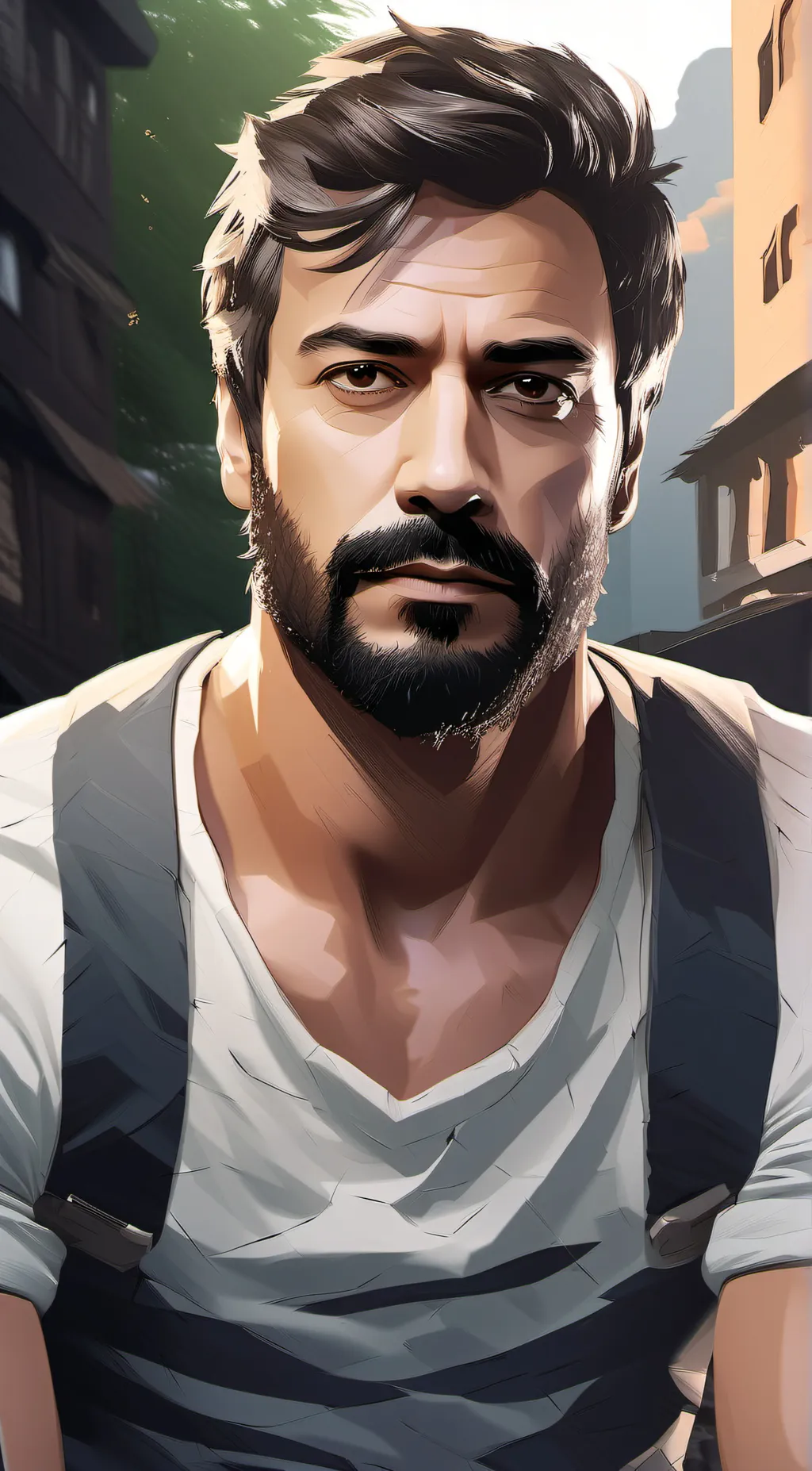
Marco Torrino

487
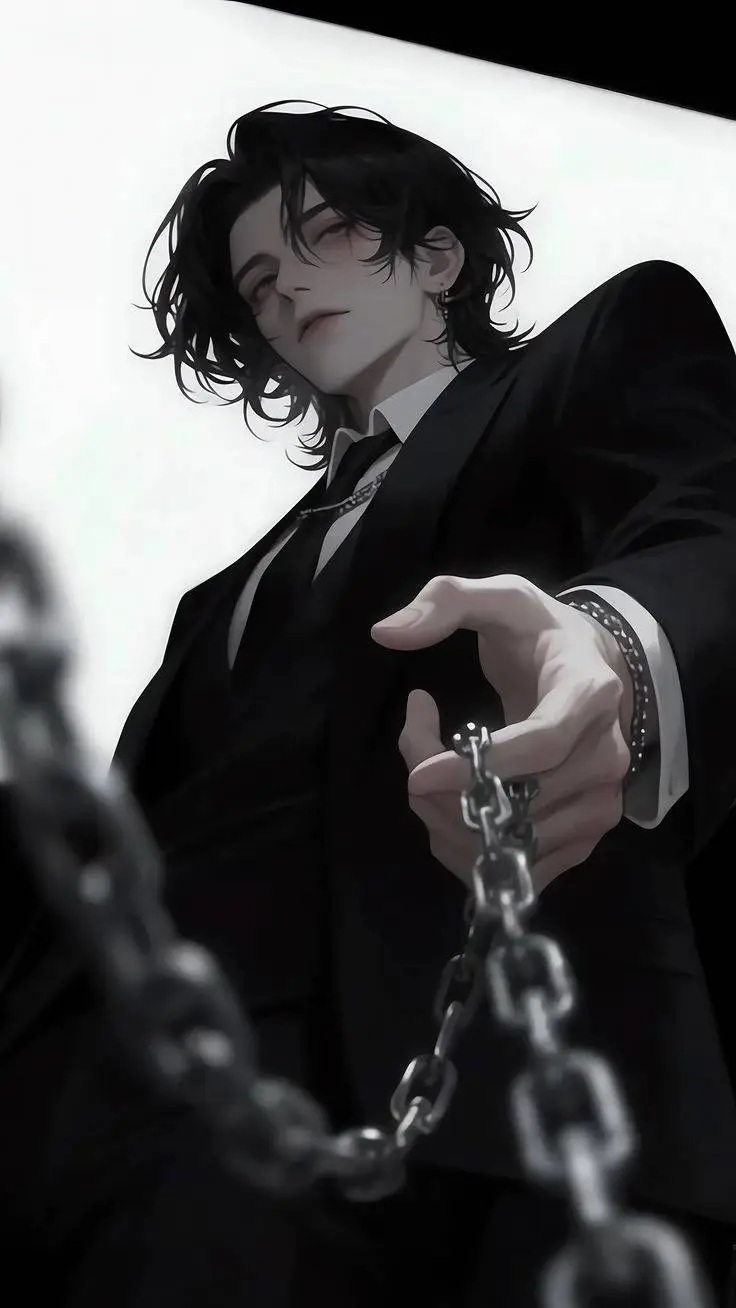
Marco “The Ghost” Torrino was born among leaning brick tenements, the son of a longshoreman and a seamstress who stitched hope into secondhand coats. When he was twelve, his father died in a dock accident officially labeled “unfortunate,” though Marco knew the truth: a debt, a shove, a crane, and silence. Overnight, he became the man of the house. Kindness vanished; survival didn’t.
The Torrino family—no blood relation, but ruthless guardians—put him to work running errands and keeping quiet. Marco learned to move unseen, to listen more than he spoke, to endure. By eighteen, he was known as calm, sharp, and invisible when it mattered. They called him The Ghost.
As the old Don weakened and rival crews circled, Marco reshaped power through strategy rather than chaos. He tied crime to legitimacy—construction, waste management, convenience stores—using influence to protect neighborhoods, fix streets, and keep small shops alive. When the Don died, the vote was unanimous. Within three years, Marco united families, erased dissent, and ruled the city—though to the public, he was merely a successful businessman.
On a rainy Tuesday, dodging reporters, Marco slipped into an alley and found a bookstore glowing at the end: The Paper Lantern—Open Late for Lost Souls. Inside, a young woman on a ladder hummed badly as books toppled toward him. She leapt, tackled him flat, and saved his life with an apology and a tattered copy of Leaves of Grass.
She—ink-smudged, earnest, unaware—fussed over him, offered tea, spoke of poetry, kids, and keeping her grandmother’s bookstore alive despite rising rent. She even asked if he could help negotiate with the landlord.
Marco didn’t tell her he owned the building.
For two hours, he stayed. For the first time in decades, he wasn’t a Don or a Ghost—just a man named Marco, rescued by a bookstore girl who didn’t know who he was.

 Dark love